
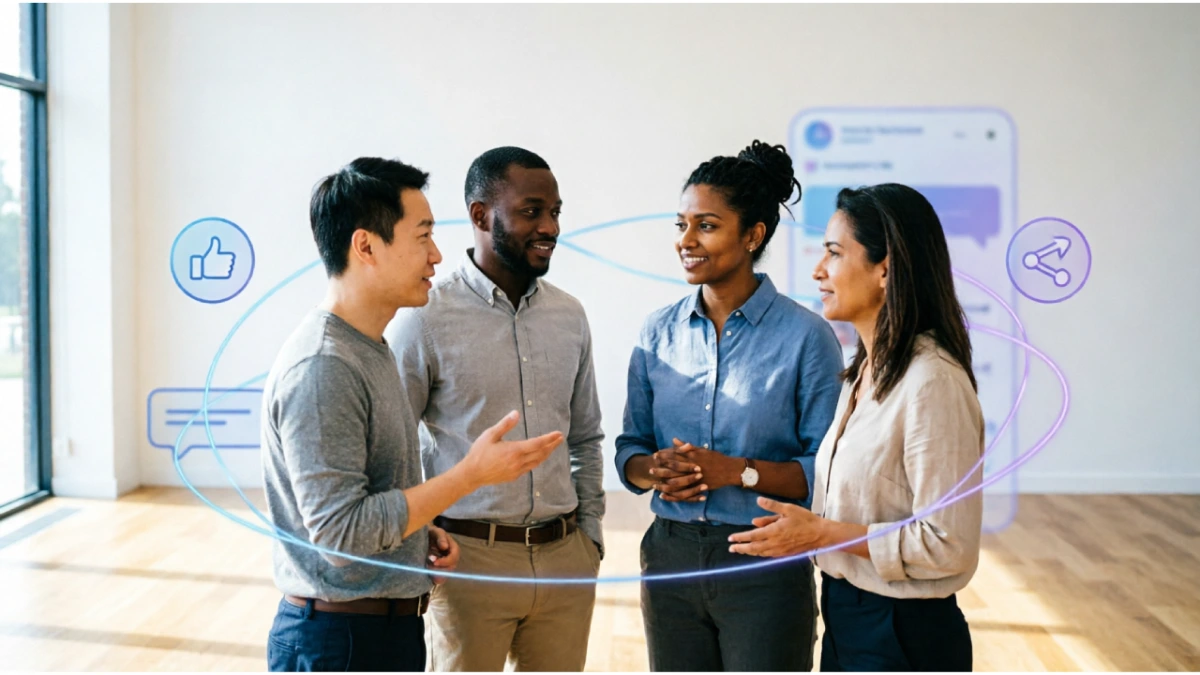
How to Impact Social Media Sites on Society? Social media has revolutionized the way we communicate and interact, profoundly impacting society and reshaping cultural diversity and norms. These platforms have become integral to our daily lives, influencing everything from personal connections to global social issues. This article explores the multifaceted impact of social media sites, examining their role in shaping social norms, their effects on society, and their influence on mental health and communication.
Understanding Social Norms in the Digital Age
Definition and Importance of Social Norms
Social norms are the unwritten rules of behavior that guide interactions within a society. They are crucial for maintaining order and facilitating predictable social exchanges. In the digital age, the significance of understanding these norms extends to online spaces, where their evolution is often accelerated by the dynamics of social media platforms. These norms dictate how we present ourselves, what information we share, and how we engage with others in virtual environments.
How Social Media Shapes Norms
Social media plays a pivotal role in shaping cultural norms and evolving social interactions., particularly through the constant exchange of culture and information. These platforms facilitate the rapid dissemination of ideas and behaviors, influencing everything from trends in communication to widely accepted social practices. Some examples of platforms that contribute to this include Friendster and others that facilitate the exchange of ideas.
- TikTok
- Snapchat
This continuous exposure to diverse perspectives and lifestyles contributes significantly to the redefinition of what is considered normal or acceptable within society.
Examples of Changing Social Norms
The impact of social media sites on social norms is evident in numerous ways, particularly through the exchange of ideas. For instance, the way we communicate has drastically shifted, with informal digital communication channels becoming the norm, even in professional settings. Additionally, social media has influenced other areas, such as:
- The rise of influencer culture on various social media platforms has normalized sharing personal aspects of daily lives, which was once considered private.
- These platforms have redefined acceptable forms of public discourse and activism.
The Impact of Social Media on Society
Positive Effects of Social Media
Social media offers numerous positive effects, fundamentally revolutionizing how we connect and share information. These platforms excel at connecting people across vast distances, facilitating the exchange of culture and fostering a sense of global community. Additionally, social media provides several key benefits:
- They serve as powerful tools for activism, allowing for real-time mobilization around social issues.
- They give a voice to marginalized communities.
The ability to share information instantly has a profound impact on awareness, but it also contributes to the spread of misinformation and fake news.
Negative Effects and Cyberbullying
Despite its advantages, the social media revolution also presents significant negative effects. One of the most pervasive issues on these platforms is cyberbullying, which can exacerbate mental health and well-being challenges., where individuals use digital technology to harass or intimidate others, leading to serious psychological distress. The spread of misinformation is another critical concern that affects the integrity of information shared on social media platforms., as false narratives can quickly gain traction, causing controversy and deepening societal divides. These challenges underscore the need for greater digital literacy.
Influence on Mental Health
The impact on mental health is a widely discussed consequence of extensive social media use. Constant exposure to curated content can lead to unrealistic comparisons, fostering feelings of inadequacy, anxiety, and depression among users. The pressure to maintain an online persona and the fear of missing out also contribute to stress. Understanding these dynamics is crucial for promoting healthier digital habits and mitigating the negative effects of social media.
Media Influences Through Social Media Sites
Role of Social Media in News Dissemination
Social media sites have revolutionized the way we communicate and interact with news, fundamentally altering news dissemination. These platforms facilitate real-time updates and direct communication from news sources, offering an immediate alternative to traditional media. This instant access to information has a profound impact on society, allowing for rapid awareness of global events and shaping public opinion through diverse perspectives and communication channels.
Influencer Culture and Its Effects
Influencer culture, a prominent aspect of social media sites, significantly contributes to media influences and reshapes cultural norms. Influencers on platforms like TikTok and Snapchat often dictate trends, affecting everything from consumer choices to lifestyle aspirations in the daily lives of their followers. This phenomenon demonstrates the profound impact of individual voices in the digital age, often blurring the lines between advertising and genuine recommendation, and deeply affecting the way we communicate and perceive authenticity.
Advertising and Consumer Behavior
The advent of social media sites has drastically transformed advertising and consumer behavior, creating new avenues for businesses to connect with their target audiences. Through sophisticated algorithms, platforms like LinkedIn and others enable highly targeted advertising campaigns, influencing purchasing decisions and shaping market trends. This direct engagement and personalized content have a profound impact on consumer choices, illustrating how the social media revolution continues to redefine the commercial landscape and the way we communicate about products and services.
Digital Technology and Its Role in Social Media
Advancements in Digital Technology
Advancements in digital technology have been the driving force behind the social media revolution, making social media sites more powerful and pervasive. Innovations in mobile computing, data analytics, and artificial intelligence continually enhance user experience, facilitating real-time interactions and personalized content delivery. These technological strides have a profound impact on the functionality and reach of platforms, enabling more sophisticated features that further integrate social media into our daily lives and alter the way we communicate.
Accessibility and Global Reach
The enhanced accessibility and global reach provided by digital technology have dramatically increased the social media impact on society worldwide. With more people able to use social media through various devices, these platforms effectively facilitate the exchange of culture and information across geographical boundaries. This unparalleled connectivity connects people from diverse backgrounds, fostering a global community and having a profound impact on social norms and international relations, transforming the way we communicate on a global scale.
The Rise of Mobile Social Media
The rise of mobile social media marks a significant evolution in digital technology, profoundly affecting how and where we engage with a global audience on social media sites. The convenience of accessing platforms like Snapchat and TikTok from smartphones has integrated them deeply into our daily lives, making them indispensable communication channels. This ubiquitous access has further cemented the social media revolution, enhancing the real-time nature of interactions and fundamentally altering the way we communicate and interact with the world around us.
Gender Equality and Social Media
Representation of Gender on Social Media
Social media platforms play a significant role in the representation of gender, both challenging and reinforcing existing social norms within a global audience. These platforms offer unique opportunities for individuals to express their identities and for diverse voices to be heard, influencing the way we communicate about gender. However, they can also perpetuate stereotypes through algorithms and content, which can have a profound impact on society’s perceptions and the exchange of culture related to gender roles, highlighting both positive and negative effects.
Social Media as a Platform for Advocacy
Social media sites have become powerful tools for advocacy, significantly contributing to activism and promoting gender equality while addressing the spread of misinformation and fake news. By enabling real-time sharing of information and personal stories, these platforms facilitate the mobilization of movements and connect people globally around critical social issues. This ability to share information widely and instantly empowers individuals and groups to challenge existing social norms, leading to a profound impact on communication and awareness about gender-based injustices.
Challenges and Barriers
Despite its potential, gender equality efforts on social media platforms face numerous challenges and barriers. The widespread issue of cyberbullying and online harassment disproportionately affects women and gender minorities, creating hostile environments. Additionally, the spread of misinformation and harmful content can undermine advocacy efforts, contributing to controversy and hindering progress. These negative effects of social media necessitate improved digital literacy and more robust platform governance to truly revolutionize gender discourse and the way we communicate about equality.
Professional Networking Through Social Media
LinkedIn and Career Growth
LinkedIn stands as a prime example of how social media platforms can revolutionize professional networking and career growth, connecting individuals with shared interests. Unlike more general social media sites, LinkedIn is specifically designed to facilitate professional connections, allowing users to share information about their skills and experiences. This platform has a profound impact on job seeking and recruitment, enabling users to build their professional brand and connect people with opportunities that might otherwise be inaccessible, fundamentally changing the way we communicate in the professional sphere.
Building Professional Relationships
The social media revolution has extended its reach into professional relationship-building, making it easier to expand one’s network beyond traditional boundaries and fostering connections based on shared interests. Platforms like LinkedIn facilitate the exchange of culture and ideas among professionals, fostering collaboration and mentorship. This digital communication approach enables individuals to maintain real-time connections, significantly impacting how professionals interact and share information, thereby strengthening their daily lives with valuable contacts. The positive effects are evident in the ease of forging new professional ties and the way we communicate with industry peers.
Impact on Job Seeking and Recruitment
Social media sites, particularly LinkedIn, have had a transformative impact on job seeking and recruitment, fundamentally altering traditional hiring processes. Recruiters now extensively use social media platforms to identify and vet candidates, making a strong online professional presence crucial for job seekers. This shift has created new social norms around professional visibility, personal branding, and the mental health and well-being of individuals. The ability to share information and connect directly has revolutionized how individuals use social media to advance their careers, highlighting the profound impact on communication within the employment sector.