
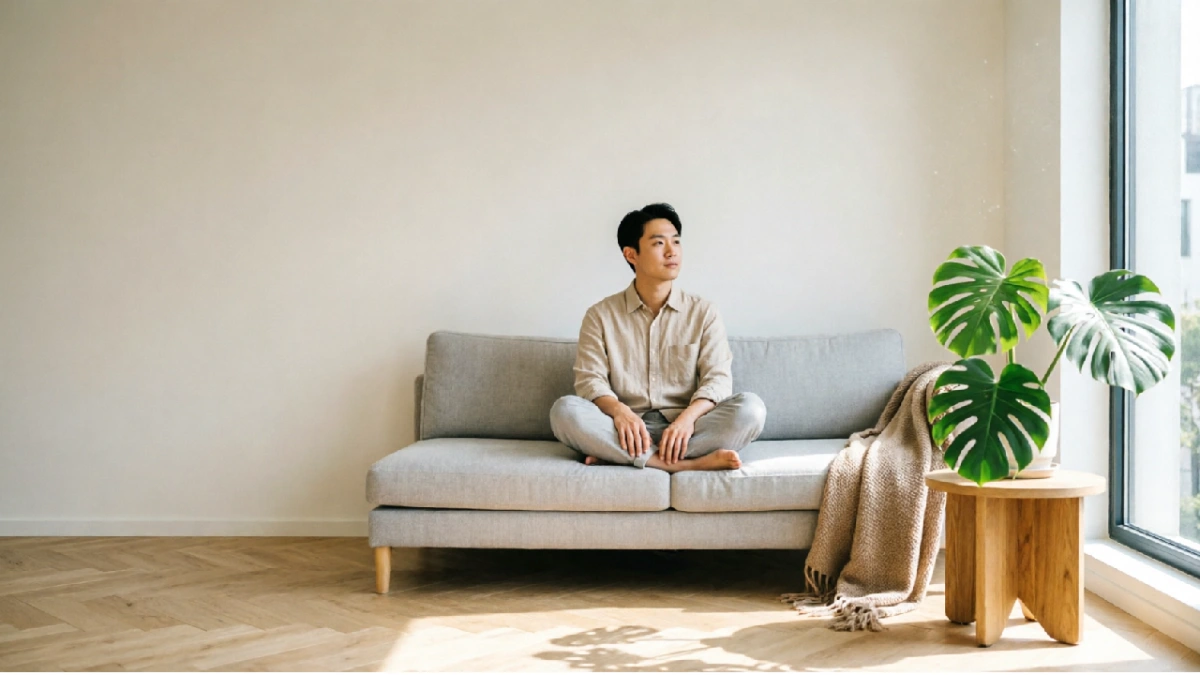
In a world often defined by accumulation and consumption, the idea of embracing minimalism offers a refreshing alternative. This guide will help you understand and adopt a minimalist lifestyle, providing practical steps to conquer clutter and simplify your life. Discover how intentional living can lead to greater freedom and fulfillment.
Understanding Minimalism
Many people misunderstand what it means to become a minimalist. It’s not about living in an empty room or denying yourself comfort; instead, it’s a deliberate choice to simplify your life by focusing on what truly adds value. This philosophy encourages us to examine our possessions and habits, allowing us to let go of the clutter that overwhelms our home and life.
What is Minimalism?
At its core, Minimalism is a tool to rid yourself of things you really don’t need in favor of an intentional life. It’s a philosophy that helps you identify what you truly value, leading to a simple life with fewer possessions and less external clutter. Embracing minimalism means getting rid of stuff that doesn’t serve us, paving the way for a more purposeful existence. It’s about owning fewer things and making conscious choices about what we bring into our lives, rather than mindless accumulation.
The Benefits of a Minimalist Lifestyle
Adopting a minimalist lifestyle can significantly improve your well-being. By getting rid of things that create clutter, you’re not just decluttering your physical space but also stripping away the excess to free up mental energy. This allows you to focus on what’s truly important, reducing external clutter and overwhelm. Living a minimalist life offers several key benefits, including the ability to declutter your environment and mind.
- More time
- More money
- More freedom to pursue experiences rather than the accumulation of things you really didn’t need and don’t use.
Common Misconceptions about Minimalism
One common misconception is that a minimalist lifestyle means living in deprivation. However, it’s about thoughtful consumption and making intentional choices about what you own, rather than getting rid of everything. It’s not about how little you own, but how much value each possession brings to your life. People often believe becoming minimalist requires extreme measures, but it can start small, for example, by:
- Decluttering a single drawer
- Gradually progressing to a clutter-free environment
Starting Your Journey to a Minimalist Life
Identifying Your Intentions
Before you embark on your journey to start a minimalist life, it’s crucial to identify your intentions. What aspects of a minimalist lifestyle appeal most to you? Understanding your motivations will help you navigate the process of getting rid of things that don’t add value and foster a more intentional life. This foundational step helps clarify your vision for living a minimalist lifestyle and prevents the overwhelm that can sometimes accompany significant changes. You might be looking to simplify your life to:
- Reduce stress
- Free up time
- Focus on what’s truly important
Letting Go of Clutter
The practical process of letting go of clutter is often the most tangible part of becoming minimalist. Start small, perhaps by decluttering a single drawer or a specific area of your home and life, rather than trying to tackle everything at once. This initial decluttering experience will help you build momentum and develop a system for deciding what to own and what to get rid of. Focus on what you truly need and what brings you joy, getting rid of stuff that you don’t use or didn’t need in the first place, paving the way for a more clutter-free environment.
Mindset Shift: Embracing Minimalist Living
Embracing minimalist living requires more than just getting rid of physical possessions; it demands a fundamental mindset shift. This isn’t just about owning fewer possessions; it’s about cultivating a minimalist mindset that questions consumerist tendencies and prioritizes experiences over accumulation. This shift allows you to focus on what truly adds value to your simple life, making intentional choices about what you bring into your home and life. This ongoing process helps you maintain a truly clutter-free existence, reinforcing the principles of simple living and helping you live with less that doesn’t serve you.
Practical Steps to Simplify Your Life
Assessing Your Possessions
To truly embrace minimalism and simplify your life, a critical first step is to assess your possessions. This involves a thorough evaluation of everything you own, helping you to understand what genuinely adds value to your home and life, as suggested in the step-by-step guide by Joshua Fields Millburn and Ryan. Begin by going through each item, asking yourself if it serves a purpose, brings joy, or is something you truly need. This initial decluttering phase is crucial for identifying areas of clutter and for getting rid of things that are no longer useful, helping you to start living a minimalist life with purpose and intention.
Strategies for Owning Fewer Items
Once you’ve assessed your possessions, implementing strategies for owning fewer items becomes easier. A powerful technique for getting rid of stuff is the “one in, one out” rule, where for every new item you bring into your home, you must get rid of things you already own. Furthermore, challenging the consumerist mindset by avoiding impulse purchases and prioritizing experiences over material accumulation will greatly simplify your life. These strategies are fundamental to developing a minimalist mindset and ensure you only keep what truly adds value to your simple life, thereby reducing overwhelm and external clutter.
Creating an Intentional Living Space
Creating an intentional living space is a direct outcome of effective decluttering and owning fewer possessions, as outlined in Joshua Fields Millburn and Ryan Nicodemus’ beginner’s guide. This involves arranging your home to maximize functionality and aesthetic appeal, ensuring every item has its place and purpose. A clutter-free environment promotes mental clarity and reduces stress, allowing you to focus on what’s truly important by stripping away the excess. By making conscious choices about your surroundings, you simplify your life and cultivate a space that supports your minimalist lifestyle, making it easier to maintain a simple life and truly live with less.
Maintaining a Minimalist Lifestyle
Building a Minimalist Mindset
Building a minimalist mindset is an ongoing process that extends beyond initial decluttering efforts. It involves consistently questioning consumerist impulses and making intentional choices about what you bring into your home and life. This mindset shift allows you to focus on what’s truly important, reinforcing the principles of simple living. By regularly reflecting on your values and priorities, you can avoid the accumulation of unnecessary possessions and continue to simplify your life, fostering a deeper sense of contentment and purpose in your minimalist journey.
Overcoming Challenges in Minimalism
Even with a strong minimalist mindset, challenges can arise when trying to maintain a minimalist lifestyle. Sentimental items, gifts from loved ones, or societal pressures to own more can create overwhelm. Overcoming these hurdles often requires open communication with family and friends about your commitment to simple living. Learning to politely decline gifts that don’t add value or finding creative ways to digitize sentimental items are practical steps to get rid of things that don’t serve us. Remember, the goal is to simplify your life, not to create deprivation, ensuring you live with less without sacrificing what truly matters.
Living with Less: Long-term Benefits
The long-term benefits of living with less are profound and extend far beyond a clutter-free home. Embracing minimalism frees up financial resources, allowing you to invest in experiences, education, or saving for the future, rather than accumulating unnecessary income and credit cards., rather than constantly replacing or upgrading possessions you didn’t need. It cultivates a deeper appreciation for what you have and allows you to focus on what’s truly important, reducing stress and enhancing overall well-being. This intentional life promotes greater freedom, mental clarity, and a sustainable approach to consumption, truly helping you to simplify your life for years to come while stripping away the excess.