
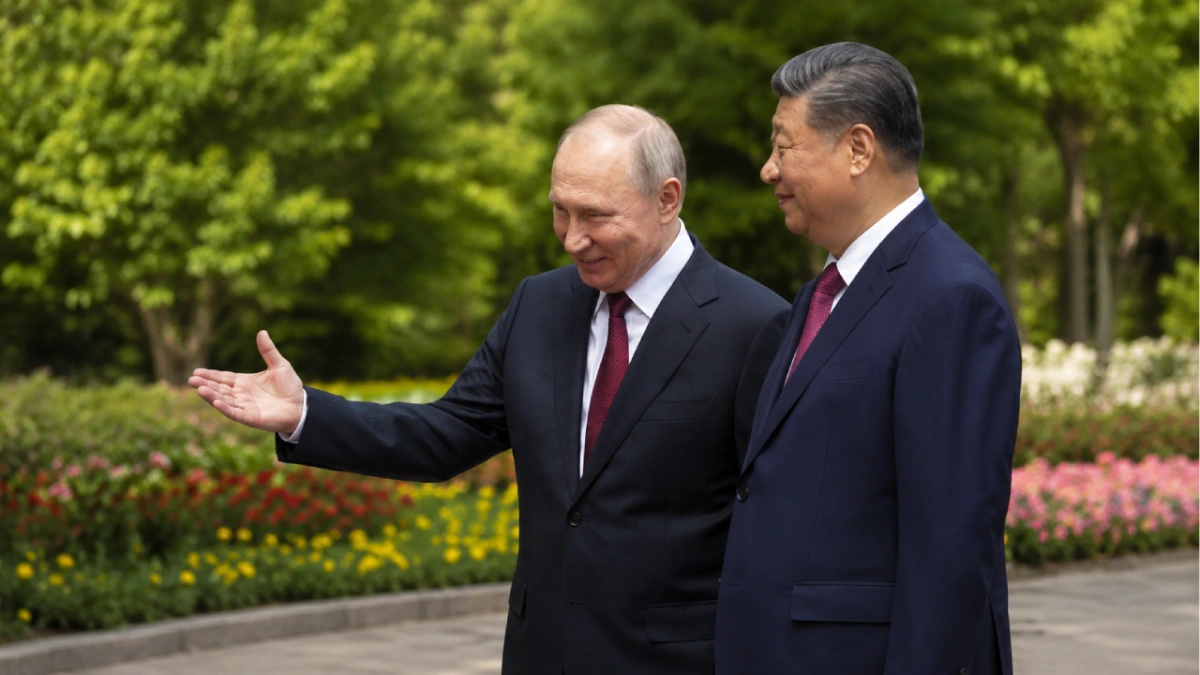
Xi basks in spotlight as he hosts Putin days after Trump: In a powerful display of diplomatic maneuvering, Chinese President Xi Jinping recently hosted Russian President Vladimir Putin in Beijing. This high-profile meeting, occurring just days after former U.S. President Donald Trump’s visit, placed Xi firmly in the global spotlight. The optics of the situation, with the Chinese leader engaging in crucial talks with Vladimir Putin, sent clear signals about China’s growing influence in world affairs and its strategic partnerships.
Introduction to Xi and Putin’s Meeting
Overview of the Event
Chinese President Xi Jinping recently hosted Vladimir Putin for a significant state visit in Beijing, a meeting that underscored the deepening ties between China and Russia. The two leaders engaged in extensive discussions at the Great Hall of the People, where the red carpet was rolled out for the Russian president. This diplomatic event provided a platform for both nations to showcase their unity and shared interests on the global stage, further solidifying their strategic partnership amidst complex international relations.
Significance of the Timing
The timing of Putin’s 25th trip to China underscores the strategic significance of their partnership. Xi hosting Putin days after Trump’s visit was particularly noteworthy, casting Xi in a significant global spotlight. This strategic sequencing allowed the Chinese leader to demonstrate China’s independent foreign policy and its willingness to engage with diverse international partners. It also highlighted a shift in global diplomacy, as China and Russia seek to strengthen their alliance, especially in the context of Western sanctions and the ongoing war in Ukraine, directly challenging traditional geopolitical norms and reinforcing their roles as global powers..
Global Reactions
The meeting between Xi and Putin in Beijing drew immediate and widespread global reactions, particularly from Western nations. Many observers saw it as a deliberate signal from China and Russia regarding their unified front against perceived Western dominance, as exemplified by Putin’s 25th trip to China., especially concerning the war in Ukraine and the invasion of Ukraine. This high-profile display of solidarity between the Chinese president and the Russian leader, including discussions on increased oil and gas cooperation and the Power of Siberia 2 gas pipeline, underscored a significant realignment in global diplomacy and a challenge to the U.S. and its allies.
The Diplomatic Tightrope: China and Russia Relations
Historical Context of Xi-Putin Relations
The relationship between Chinese President Xi Jinping and Russian President Vladimir Putin has evolved significantly over the years, built on a foundation of shared geopolitical interests and a mutual desire to counterbalance Western influence between Moscow and Beijing. Their historical interactions have consistently demonstrated a strategic alignment, particularly in the face of U.S. foreign policy, further solidifying the bond between Putin and Xi. This partnership has been meticulously cultivated, with each leader recognizing the importance of a strong bilateral relationship for their respective national agendas and global ambitions, cementing the foundation for Beijing to continually host Putin.
Current Political Climate
In the current political climate, the bond between China and Russia, spearheaded by Xi Jinping and Vladimir Putin, is more critical than ever, especially during Putin’s 25th trip to China. Amidst the ongoing war in Ukraine and the persistent pressure from Western sanctions, both Beijing and Moscow are seeking to strengthen their economic and strategic ties. This renewed emphasis on their partnership is evident in discussions around increased oil and gas cooperation and the Power of Siberia 2 gas pipeline, underscoring their commitment to a multipolar world order and challenging traditional global diplomacy. The red carpet rolled out for the Russian leader epitomizes the strong political will of the Chinese president.
Implications for Global Diplomacy
The deepening alliance between China and Russia, symbolized by the recent meeting where Xi hosts Putin days after Trump, carries profound implications for global diplomacy. This partnership presents a united front that directly challenges the U.S. and its allies, potentially leading to a realignment of international power dynamics. As China and Russia strengthen their collaboration, particularly in areas like energy and security, it could foster a new era of geopolitical competition, influencing everything from international trade to regional conflicts and reshaping the future of world affairs.
Beijing’s Role in the Xi-Putin Dynamic
Xi’s Strategy for Strengthening Ties
Chinese President Xi Jinping has meticulously crafted a strategy to strengthen ties with Vladimir Putin, viewing the partnership as essential for realizing China’s authoritarian leadership ambitions and “Xi’s Chinese Dream.” By hosting Putin days after Trump, Xi basks in the spotlight, projecting an an image of a powerful leader capable of navigating complex global dynamics. This strategy involves not only economic cooperation, such as the gas pipeline projects and increased oil and gas trade, but also a concerted effort to foster political and military alignment against perceived Western hegemony, with the red carpet treatment signifying shared interests.
Beijing’s Influence on Global Politics
Beijing’s increasing influence on global politics is undeniably intertwined with its robust relationship with Moscow. Under Xi Jinping, China has used its influence to advocate for a multipolar world, often in concert with Russia. The optics of the Chinese leader hosting Vladimir Putin at the Great Hall of the People, especially following a visit from President Donald Trump, clearly demonstrate China’s growing assertiveness on the international stage. This strategic diplomacy from Beijing, in concert with Putin and Xi, is reshaping global alliances and challenging established norms, aiming to position China as a dominant global power in world affairs.
Comparative Analysis with Western Leaders
A comparative analysis with Western leaders reveals a distinct approach in the Xi-Putin dynamic. While Western diplomacy often emphasizes multilateral institutions and human rights, Xi Jinping and Vladimir Putin prioritize national sovereignty and a strategic defiance of Western sanctions, reinforcing their positions as world leaders., particularly in the context of the war in Ukraine and the invasion of Ukraine. The pomp and ceremony, including the red carpet rolled out for the Russian leader, underscore a different set of diplomatic values. This contrast highlights China’s authoritarian leadership and its determination to forge powerful partnerships independent of Western influence, as seen in Xi hosting Putin days after Trump.
Red Carpet Treatment: Symbolism and Significance
Ceremonial Aspects of the Meeting
The ceremonial aspects of the meeting between Chinese President Xi Jinping and Vladimir Putin were meticulously orchestrated to convey a powerful message of solidarity and strategic alignment. The red carpet rolled out for the Russian president at the Great Hall of the People in Beijing was not merely a formality but a deliberate symbol of the importance China places on this relationship. This grandeur, characteristic of a state visit, underscored the mutual respect and the significant diplomatic weight both nations attach to their partnership, especially as Xi basks in the spotlight as he hosts Putin days after Trump’s visit, reaffirming their commitment on the global stage.
Media Coverage and Public Perception
Media coverage of the Xi-Putin meeting played a crucial role in shaping public perception, both domestically and internationally. Chinese state media extensively highlighted the warm reception and the substantive discussions during Putin’s 25th trip to China, emphasizing the strength of the China and Russia alliance and their shared vision for world affairs. The optics of the Chinese leader hosting Vladimir Putin days after Trump’s visit were carefully managed to project an image of China’s growing influence and its ability to forge strong partnerships independent of Western pressures. This narrative aimed to solidify support for China’s authoritarian leadership and its diplomatic initiatives.
What the Red Carpet Represents
The red carpet, a prominent feature of the meeting, represents far more than just a path for dignitaries; it symbolizes the honor, respect, and strategic importance China attributes to its relationship with Russia. For Xi Jinping, extending such an elaborate welcome to Vladimir Putin, especially after Trump’s visit, serves to underscore China’s independent foreign policy and its commitment to strengthening ties with Moscow. This visual declaration, broadcast globally, reinforced the message that China and Russia are significant trading partners and political allies, jointly navigating the complexities of global diplomacy and challenging Western dominance.
Conclusion: Looking Ahead for Xi and Putin
Future Collaborations
Looking ahead, future collaborations between Xi Jinping and Vladimir Putin are expected to deepen, particularly in energy, trade, and defense, further solidifying their positions as world leaders. The ongoing discussions around the Power of Siberia 2 gas pipeline and increased oil and gas cooperation indicate a long-term strategic partnership aimed at bolstering their respective economies and reducing reliance on Western markets. As Xi basks in the spotlight as he hosts Putin days after Trump’s visit, this strategic alignment signals a continued effort to strengthen ties, reinforce their positions in world affairs, and jointly navigate the challenges posed by Western sanctions and the war in Ukraine.
Potential Challenges Ahead
Despite the strong show of unity, potential challenges lie ahead for the Xi-Putin alliance. The global ramifications of the war in Ukraine continue to pose diplomatic complexities for Beijing, as China seeks to balance its support for Moscow with its broader economic interests, while maintaining a silence on Ukraine. Western sanctions and international pressure could also create hurdles for China and Russia’s joint ventures, including the ambitious gas pipeline projects. Moreover, maintaining a united front in the face of evolving global diplomacy and the intricate dynamics of their respective national interests will require careful navigation from both the Chinese president and the Russian president.
Impact on Global Alliances
The continued strengthening of the Xi-Putin alliance, showcased by Xi hosting Putin days after Trump, will undoubtedly have a profound impact on global alliances. This partnership challenges the traditional U.S.-led world order, potentially fostering new geopolitical realignments and solidifying a multipolar international system. As China and Russia use their influence to advocate for alternative global governance structures, existing alliances may be tested, leading to increased competition and shifting power dynamics in world affairs. The optics of this powerful relationship continue to reshape international relations and global diplomacy.