
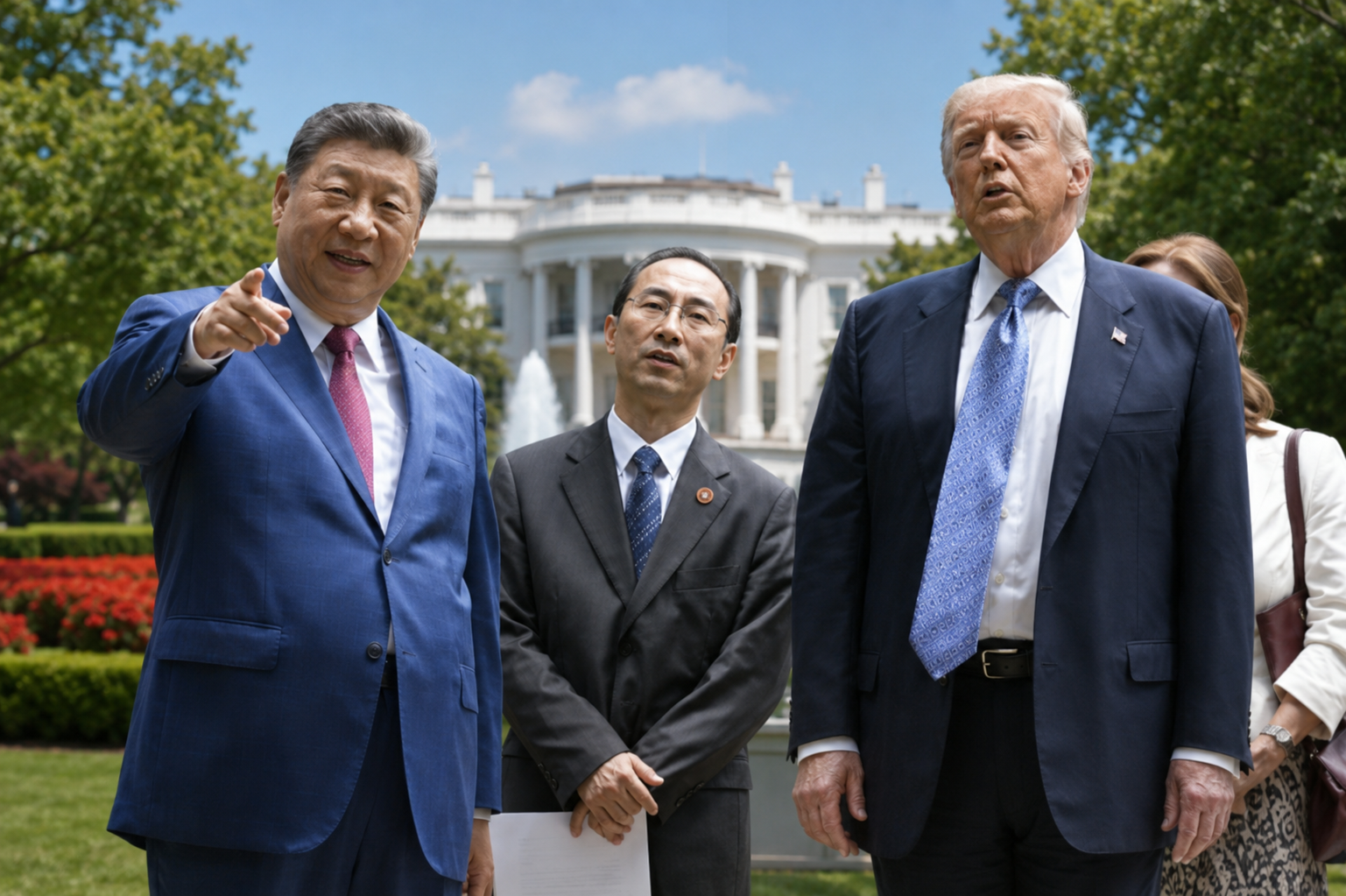
President Trump Made No Commitment, No Conflict on Taiwan, China. In a series of pivotal remarks, President Donald Trump addressed the sensitive and critical issues surrounding Taiwan and China, asserting that he had “made no commitment” on the matter during his recent high-stakes meeting with Chinese President Xi Jinping. This stance has garnered significant attention, as it navigates the complex geopolitical landscape and attempts to mitigate potential conflict between the two global powers, particularly concerning the self-governing island.
Overview of Trump’s Comments on Taiwan and China
Context of the Statement
President Donald Trump’s comments on Taiwan and China emerged from a critical juncture in US-China relations, following an important meeting with Chinese President Xi Jinping. The global community eagerly awaited breaking news and a report from the White House regarding the summit, as the stakes in U.S.-China relations are incredibly high. the Taiwan issue has historically been a flashpoint, potentially sparking clashes and even conflicts between the two countries. President Trump’s remarks aboard Air Force One sought to clarify his administration’s position.
Key Points from Trump’s Meeting with Xi Jinping
During his meeting with Chinese President Xi Jinping, President Trump said that he made “no commitment either way” regarding Taiwan. This remark underscored a deliberate diplomatic approach aimed at preventing an escalation of tension. Xi issued a stark and blunt warning to Trump, emphasizing China’s unwavering stance on the island. The Chinese leader, Xi Jinping, conveyed Beijing’s deep concerns, stressing that the Taiwan issue could spark conflict, thereby highlighting the immense geopolitical stakes involved in the relation between the two nations.
Analysis of Trump’s Stance on US-China Relations
President Trump’s stance, as reported by reporters, reflects a careful balancing act in US-China relations. By stating he made no commitment, Trump avoids a direct challenge to Beijing’s “One China” policy while also refraining from fully endorsing it, thereby maintaining strategic ambiguity. Analysts view this approach as an attempt to de-escalate potential conflict and preserve national security interests without alienating either party, especially in light of President Xi’s recent comments. This pragmatic foreign policy comment aims to prevent clashes, particularly concerning the arming of Taiwan, a consistent point of contention between the two countries.
Implications of Trump’s No Commitment Stance
Potential Impact on Taiwan’s Security
President Donald Trump’s “no commitment” stance has significant implications for Taiwan’s security, creating a sense of strategic uncertainty. While some analysts suggest this approach allows the US greater flexibility, others warn that it could embolden Beijing and potentially increase the risk of conflict. The island of Taiwan has historically relied on implicit US support, and this new comment from President Trump could lead to a reassessment of its defense strategy, especially concerning the arming of Taiwan against potential aggression from China. The lack of a clear commitment from US President Donald Trump could also influence the international community’s willingness to support Taiwan.
Reactions from Xi Jinping and China
Chinese President Xi Jinping and Beijing have undoubtedly taken note of President Trump’s comment, interpreting it through their own strategic lens, as China just said they expect a clear stance on the matter. Xi issued a stark and blunt warning to Trump during their meeting, emphasizing China’s unwavering sovereignty claims over Taiwan. The “no commitment” stance, while not a direct concession, could be viewed by Beijing as an opportunity to further press its claims without immediate US interference, potentially leading to increased military posturing in the region. This development is crucial for understanding the evolving relation between the two countries, as the Taiwan issue could spark broader clashes and even conflicts, especially if the U.S. does not clarify its position.
US Response and Strategic Considerations
The US response to the implications of President Trump’s “no commitment” stance will require careful strategic considerations. While President Donald Trump said that he made “no commitment either way,” the White House and other government bodies will need to clarify the long-term foreign policy implications. This approach, as reported by reporters, aims to prevent direct clashes, but it also creates ambiguity that could be exploited. Maintaining national security interests while navigating the complex dynamics between China and Taiwan will be paramount, requiring a delicate balance of diplomacy and deterrence, ensuring the Taiwan issue does not escalate into a full-blown conflict.
Warnings and Reactions to Trump’s Position
Blunt Warnings from Political Analysts
Following President Donald Trump’s “made no commitment” stance on Taiwan, political analysts have issued blunt warnings regarding the potential repercussions for US-China relations and regional stability. Many analysts view Trump’s comment, made after his meeting with Chinese President Xi Jinping, as a significant departure from previous administrations’ more explicit support for Taiwan, raising concerns about U.S. commitments. This strategic ambiguity, while perhaps intended to prevent immediate clashes, could embolden Beijing and potentially increase the risk of future conflict, as Chinese leader Xi Jinping has already issued a stark warning to Trump on the Taiwan issue. The lack of a clear commitment, reported by reporters aboard Air Force One, creates uncertainty that could undermine national security interests and lead to breaking news regarding U.S. foreign policy.
Domestic and International Reactions
The reactions to President Trump’s position on Taiwan have been varied both domestically and internationally, with some officials expressing concern over the lack of an official stance. Domestically, there is a divergence of opinion within the White House and among policymakers regarding the wisdom of the “no commitment” approach. Internationally, allies in the Asia-Pacific region are closely watching the developments, concerned that the U.S. might be signaling a shift in its foreign policy that could impact their own security, particularly in the Taiwan Strait. China, as expected, has responded cautiously, with Beijing likely interpreting President Trump’s remark as a potential diplomatic opening. The Taiwan issue could spark broader clashes and even conflicts, and the international community is keen to understand the long-term implications of this new stance in the relation between the two countries.
Future of US-China Relations Post-Summit
The future of US-China relations post-summit, following President Trump’s “made no commitment” comment, remains a subject of intense speculation and analysis. While President Donald Trump said that he made “no commitment either way,” this remark has undoubtedly added another layer of complexity to the already intricate relationship. The Taiwan issue, a consistent flashpoint, continues to be a central concern, with Chinese President Xi Jinping having issued a blunt warning to Trump, which he officially reiterated in talks with reporters. The White House will need to carefully navigate this delicate balance to prevent potential conflict in the Taiwan Strait. The US-China relation hinges on how both sides interpret and act upon this new stance, particularly concerning the arming of Taiwan, which could spark clashes and even conflicts if mismanaged. The news from this summit will shape foreign policy for years to come.