
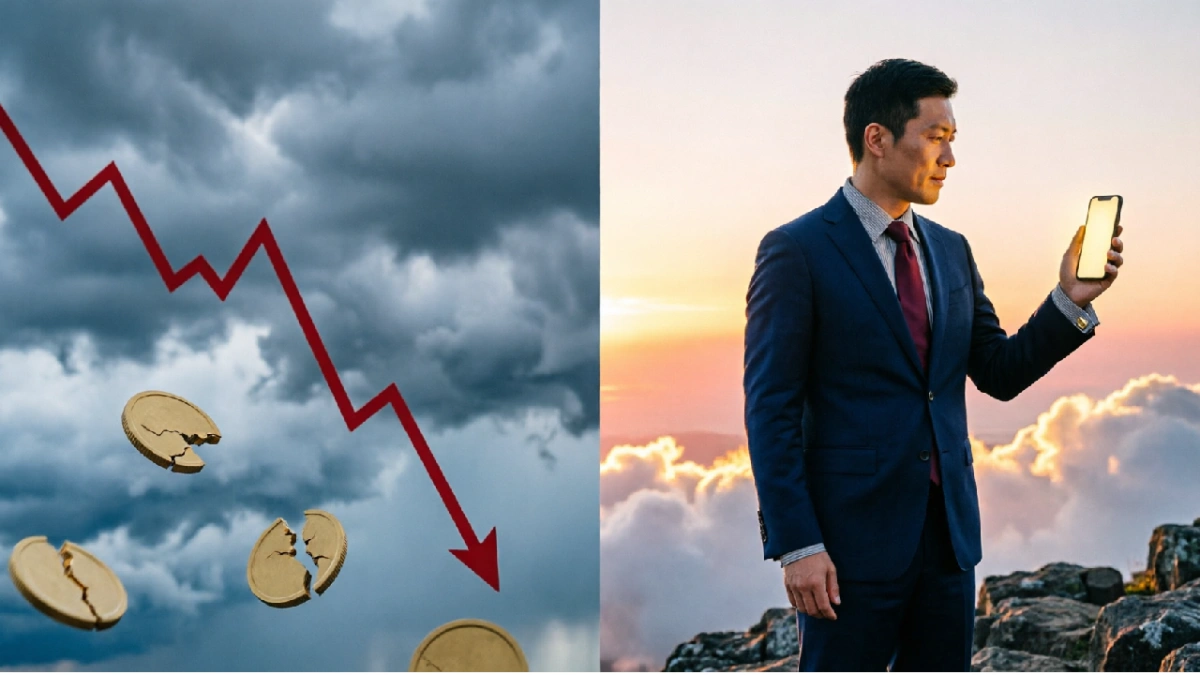
How Millionaires Go Broke And Come Back Stronger
Celebrity Comebacks: How Stars Recover From Financial Loss isn’t just about chart-topping hits or award wins anymore. Today, a nine-figure net worth can vanish overnight, and the only difference between permanent bankruptcy and sustained recovery is a structured financial playbook.
It reads like a tabloid headline, yet the financial collapse of A-list entertainers happens far more often than fans realize—and the stars who rebuild successfully follow a repeatable four-phase strategy.
What separates a real comeback from a slow fade into irrelevance isn’t talent, luck, or even money. It’s strategy. And in 2026, that strategy runs almost entirely through direct audience channels.
Why Celebrities Lose Money (The Real Reasons)
Fame rarely comes with a financial education. Instead, it hands high earners more sophisticated ways to drain their accounts.
The most common financial traps:
- Lifestyle inflation — Private jets, multiple properties, an entourage on payroll. Mike Tyson famously spent $400,000 a month at his peak. The income stopped. The spending didn’t.
- Bad investments — Real estate deals gone sideways, restaurant ventures, tech bets that never paid off. 50 Cent filed for bankruptcy in 2015 despite earning hundreds of millions throughout his career.
- Poor management — Trusting the wrong business managers or accountants. Sinbad owed over $8 million in back taxes largely due to mismanagement, not reckless spending alone.
- Career decline + legal costs — When projects dry up and lawsuits stack up simultaneously, even a strong financial foundation collapses fast.
The pattern is almost always the same: high income, high spending, no diversification — then one bad year that exposes everything.
Instead of informal budget cuts, many entertainers initiate a Chapter 11 bankruptcy filing to legally pause creditor lawsuits, protect core intellectual property, and renegotiate management contracts before public default occurs.
The Comeback Blueprint
A celebrity comeback isn’t one move. It’s four connected phases, and skipping any of them is where most attempts fall apart.
Phase 1: Damage Control
What it means: Before rebuilding anything, you stop the bleeding.
Recovery begins by halting cash burn and restructuring liabilities before creditors take public action. This means liquidating underperforming real estate, renegotiating management commissions, and engaging forensic accountants to audit historical spending. Pairing forensic accounting with formal debt restructuring agreements ensures both balance sheets and public narratives stabilize before irreversible reputation damage occurs.
Real-world example: MC Hammer, after bankruptcy in the mid-90s, drastically reduced his spending, settled debts over time, and avoided the public eye long enough to stabilize — before eventually reinventing himself online decades later.
Practical takeaway: Damage control buys time. That’s its only job. Don’t confuse it with recovery.
Hidden risk: Moving too slowly. Celebrities often stay in denial — maintaining appearances while the financial situation worsens. Every month of inaction costs more than the lifestyle expenses themselves.
Phase 2: Rebuilding Image
What it means: The financial and the reputational are inseparable. You can’t fix one without addressing the other.
The key decision here is transparency vs silence — and most celebrities choose wrong.
Silence fuels speculation. Carefully timed transparency — an honest interview, a direct acknowledgment, a behind-the-scenes moment that humanizes the situation — rebuilds far faster. Audiences in the social media era are surprisingly forgiving of failure. They’re far less forgiving of pretending it didn’t happen.
Implementing a structured crisis PR framework allows celebrities to control the narrative timeline, preempt tabloid speculation, and align financial restructuring with consistent public messaging before premium brand partners distance themselves.
Real-world example: Floyd Mayweather, despite ongoing criticism over spending habits and legal issues, has consistently maintained a “here’s exactly who I am” persona. The transparency about his lifestyle — however controversial — kept him relevant and commercially viable far longer than a polished PR strategy would have.
Practical takeaway: Pick a clear narrative early. “I made mistakes and here’s what I’m doing about it” will always outperform silence or deflection.
Hidden risk: Oversharing. There’s a line between controlled transparency and publicly unraveling. Crossing it replaces financial scandal with personal scandal.
Phase 3: Leveraging Direct-to-Fan Platforms for Relevance
What it means: This is where the influencer era genuinely changes the comeback playbook.
Ten years ago, a celebrity’s return depended on studio casting calls or agency networking. Today, they bypass traditional gatekeepers entirely by monetizing direct audience engagement. This shift isn’t just about posting clips—it’s about building owned distribution channels that convert followers into paying supporters without relying on algorithmic reach.
Platforms like YouTube Memberships, Patreon, and Substack function as owned media ecosystems, allowing stars to retain distribution control and stabilize revenue outside volatile ad networks.
This connects directly to a broader shift happening across the entertainment industry: as explored in The Rise of Influencer Culture: How Social Media Is Redefining Celebrity in 2026, the line between “celebrity” and “content creator” has all but disappeared. And for celebrities in recovery, that’s actually good news.
Yet most celebrities completely overlook their most powerful recovery asset: direct audience connection.
What this looks like in practice:
- Long-form YouTube content (behind-the-scenes, personal storytelling, day-in-the-life)
- Instagram or TikTok that shows personality over performance
- Unfiltered podcasts that let audiences hear the real version of events
Real-world example: Vanilla Ice — once the punchline of every 90s pop culture joke — rebuilt a second career almost entirely through HGTV and social media, reaching an audience that had zero connection to his original fame. He didn’t try to revive Ice Ice Baby. He became a home renovation personality.
Practical takeaway: Don’t try to recreate past fame on new platforms. Build a new identity that uses your existing name recognition as a starting point, not a destination.
Hidden risk: Authenticity theatre. Audiences are extremely good at detecting when vulnerability is performative. A celebrity who does one “honest” post and then returns to polished promotional content loses trust faster than staying silent would have.
Phase 4: Building New Income Streams
What it means: The most durable comebacks don’t depend on a return to the original career. They build around it.
The best-performing comeback strategies in the last decade share one pattern: celebrities stopped selling their talent and started selling their identity.
The new income playbook:
- Personal brands — Haircare, spirits, fitness, skincare. Rihanna’s Fenty Beauty built a multi-billion dollar business that eclipsed her music income entirely.
- Brand deals on their own terms — Celebrities with direct social media audiences can negotiate brand partnerships without label or studio involvement, keeping significantly more of the revenue.
- Digital products and content monetization — Courses, newsletters, paid communities, exclusive content platforms. These have low overhead and scale without headcount.
- Podcasting — One of the most financially effective rebuilding tools right now. Low cost to produce, builds audience loyalty, and creates natural partnership opportunities.
The most resilient recoveries shift from label-dependent royalties to direct-to-consumer monetization, where merchandise drops, paid memberships, and exclusive content retain 70–90% of gross revenue instead of surrendering it to intermediaries.
Real-world example: 50 Cent filed for bankruptcy in 2015. By 2021, he was worth an estimated $30 million — rebuilt largely through TV production (Power), brand deals, and a champagne partnership. He diversified away from music as a primary income source entirely.
Practical takeaway: Don’t wait until the original career recovers to build new income. Start building the alternative while the original is being repaired.
Hidden risk: Brand deals during a reputational trough often come from lower-tier partners willing to take the risk. Accepting the wrong deals early can signal desperation and make it harder to attract premium partners later.
Contrarian Insight: Social Media Can Rebuild Fame — But Not Always Credibility
Here’s what nobody in the comeback industry wants to admit: social media reach and genuine credibility are not the same thing.
A celebrity can gain millions of new followers during a comeback phase — and still be seen as untrustworthy by the brands, studios, and serious business partners they need to sustain it.
Views are not endorsement. Viral moments are not rehabilitation.
Real credibility recovery happens slowly, through consistent behavior over time — not through a single well-produced “comeback moment.” The celebrities who understand this are the ones still building in year three and four. The ones who mistake virality for redemption are often right back where they started within 18 months.
How to Spot a Real Comeback vs. Manufactured Hype
Use this checklist before deciding whether a celebrity recovery is real or surface-level:
Signs of a real comeback:
- Consistent activity over 12+ months (not just a launch moment)
- New income sources that aren’t tied to old fame
- Evidence of financial restructuring, not just new deals
- Direct audience engagement, not just broadcast-style posting
- The narrative is consistent across all platforms and interviews
Red flags for manufactured hype:
- Sudden return with no acknowledgment of what happened
- Multiple brand deals announced within weeks of each other
- Heavy PR activity but little organic audience engagement
- Returns to the exact same career format that failed before
- Overly polished “authenticity”
Common Mistakes That Kill Comebacks
1. Signing low-equity sponsorships during cash shortages. These lock celebrities into long-term deals that cap future earning potential and signal desperation to premium partners.
2. Ignoring legacy fan communities while chasing viral trends. Existing audiences deliver higher customer lifetime value (LTV) than newly acquired followers—yet many stars abandon their core supporters for fleeting algorithmic attention.
3. Scripting vulnerability for algorithmic engagement. Performative transparency damages trust metrics and disqualifies premium brand partnerships; one genuine, imperfect post beats twelve months of curated “real moments.”
4. Treating content platforms as broadcast channels instead of two-way engagement hubs. Reply rates, community polls, and behind-the-scenes Q&As drive platform favorability far more than polished announcements.
Conclusion
Celebrity financial recovery in 2026 is less about waiting for the industry to forgive and more about building something new while that process unfolds.
The celebrities who come back strongest aren’t the ones who had the most talent, the best publicists, or the most dramatic redemption arcs. They’re the ones who understood a simple shift: in the influencer era, direct audience trust is worth more than institutional validation.
For celebrities, that means treating direct-to-fan channels as infrastructure, not an afterthought. For audiences, it means learning to distinguish between a genuine rebuild and a well-packaged illusion. And for anyone watching the entertainment industry — this is what modern relevance actually costs, and what it takes to earn it back.