
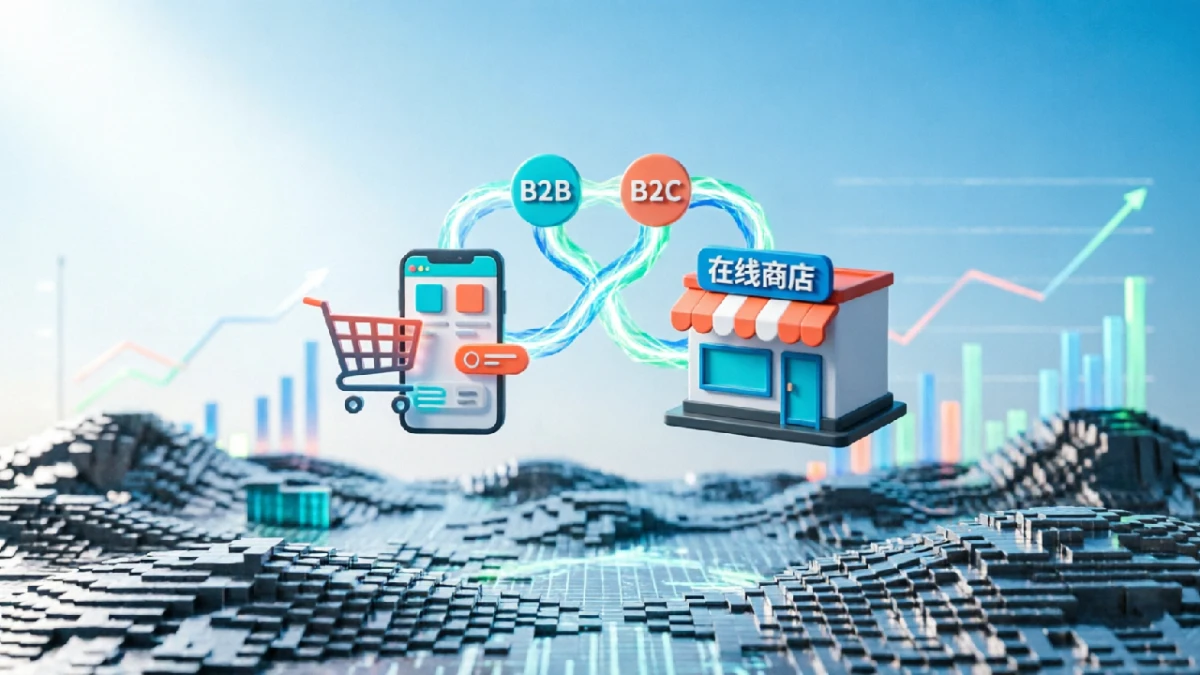
The digital marketplace is a bustling arena, offering entrepreneurs unprecedented opportunities to launch and scale an online business. However, navigating this landscape successfully requires more than just a great product idea; it demands a deep understanding of the various e-commerce business models available. Choosing the right model is paramount to achieving profitability and long-term success, impacting everything from inventory management to customer acquisition strategies. This article delves into the most profitable e-commerce business models, helping you determine which online business truly wins in today’s competitive environment.
Understanding E-commerce Business Models
An e-commerce business model fundamentally defines how an online store generates revenue, manages its operations, and interacts with its customer base. It’s the strategic framework that dictates everything from product sourcing and inventory management to marketing strategies and customer service. Essentially, it outlines the core mechanisms through which an e-commerce store operates and aims to achieve profitability.
Different e-commerce business models offer varying advantages and disadvantages, influencing several key factors:
| Factor | Description |
|---|---|
| Startup Costs | Can vary significantly between models. |
| Potential Profit Margin | Influenced by the chosen model. |
| Scalability | How easily the business can grow and expand. |
Understanding these distinctions is crucial for aspiring entrepreneurs.
Definition of E-commerce Business Models
An e-commerce business model is a comprehensive plan detailing how an online business will create, deliver, and capture value. It encompasses the products or services offered, the target customer segments, the revenue streams, the cost structure, and the key resources and activities required for operation. Different models vary in their approach:
| E-commerce Model | Key Differentiator |
| Dropshipping | Inventory management, supplier relationships |
| Private Label | Inventory management, supplier relationships |
Each model impacts overall profitability and operational complexity. Identifying the most suitable e-commerce model for your specific goals and resources is a critical first step towards building a successful and profitable online business.
Key Characteristics of Profitable E-commerce Businesses
Profitable e-commerce businesses often share several key characteristics that contribute to their financial success. These businesses typically possess scalable operations, allowing them to grow without disproportionately increasing costs, and employ robust marketing strategies to optimize customer acquisition and customer lifetime value. High profit margin products and efficient supply chains also play a significant role in overall profitability, alongside excellent customer experience and judicious management of shipping costs.
| Key Characteristic | Impact on Profitability |
|---|---|
| Strong Brand Identity & Clear Value Proposition | Attracts and retains customers, fosters loyalty and repeat purchases. |
| Effective Inventory Management | Minimizes holding costs and ensures product availability, directly impacting profit margin. |
Importance of Choosing the Right Model
Choosing the right model is arguably the most critical decision for any aspiring e-commerce entrepreneur. The e-commerce business model you select will dictate your upfront investment, operational complexity, potential for recurring revenue, and ultimately, your profitability. For example, a subscription model can offer predictable cash flow, while a dropshipping model boasts low startup costs but potentially lower per unit profit. The right model also aligns with your product category, personal resources, and long-term vision, allowing you to build a sustainable and profitable e-commerce business. Failing to choose the right model can lead to unnecessary expenses, inefficient operations, and ultimately, a struggle to achieve consistent profitability.
Exploring Different E-commerce Business Models
Dropshipping: Low Risk, High Reward
Dropshipping stands out as a highly appealing e-commerce business model due to its low startup costs and reduced risk. In this model, the e-commerce store owner does not hold any inventory; instead, when a customer places an order, the product is shipped directly from a third-party supplier to the customer. This eliminates the need for inventory management and upfront investment in stock, making it an attractive option for new entrepreneurs. While the per unit profit margin might be lower compared to other models, the scalability and minimal operational overhead can lead to significant profitability, especially when focusing on a profitable niche and employing effective marketing strategies for customer acquisition.
Physical Product Sales: Managing Inventory
Selling physical products directly, whether through a private label brand or by reselling existing goods, is a traditional but often highly profitable e-commerce business model. Unlike dropshipping, this model requires the e-commerce store to manage inventory, necessitating upfront investment in stock and careful consideration of storage and shipping costs. However, managing inventory allows for greater control over product quality, branding, and customer experience, which can foster stronger customer relationships and customer loyalty. Success hinges on effective inventory management, choosing the right products, and establishing a strong brand that resonates with the target market to drive repeat purchase behavior and ensure a healthy gross margin.
Digital Products: High Profit Margins
Digital products represent an extremely profitable e-commerce business model characterized by high profit margins and scalable operations. Products such as online courses, e-books, software, and templates require an initial investment in creation, but once developed, they can be sold repeatedly without incurring additional per unit production costs. This means that after the initial cost, nearly every subsequent sale contributes directly to the net profit. This model also eliminates concerns about shipping costs, inventory management, or physical logistics. Focusing on a valuable niche and leveraging marketing strategies like SEO and an email list can lead to substantial recurring revenue and a high customer lifetime value, making it a highly profitable e-commerce business.
Evaluating Profitability in E-commerce
Understanding Profit Margins
Understanding profit margins is fundamental to evaluating the profitability of any e-commerce business model. The profit margin, whether gross or net, indicates how much revenue an e-commerce store retains after accounting for costs. In models like dropshipping, the per unit profit margin might be lower, but the absence of upfront inventory costs and shipping costs can still result in a profitable e-commerce business overall, especially with high sales volumes. Conversely, selling digital products typically boasts significantly higher margins because there are no physical production or shipping costs after the initial creation, leading to greater net profit. Effective inventory management and a clear understanding of all associated costs, including ad costs and supplier expenses, are crucial for accurately assessing and optimizing profitability.
Validating Profitable Niches
Validating profitable niches is a critical step in building a successful online business, regardless of the chosen e-commerce business model. A niche market focuses on a specific segment of customers with unique needs or interests, allowing an e-commerce store to target its marketing efforts more effectively and develop a strong brand. For instance, a dropshipping business might find greater success by specializing in a particular product category rather than trying to sell products to a broad audience. Researching market demand, competition, and potential profit margin within a niche helps to choose the most profitable avenues. Utilizing tools for keyword research and trend analysis can help entrepreneurs identify lucrative opportunities and ensure product-market fit, leading to higher customer acquisition and recurring revenue.
Marketing Strategies for Profitability
Effective marketing strategies are indispensable for achieving and sustaining profitability in any e-commerce business. Customer acquisition is vital, and strategies like SEO can drive organic traffic to an online store, reducing ad costs. Building an email list allows for direct communication with potential customers, fostering repeat purchase behavior and increasing customer lifetime value through targeted promotions and upsell opportunities. For subscription models, nurturing customer relationships and providing exceptional customer experience are key to minimizing churn and maximizing recurring revenue. Whether selling a physical product or digital product, a well-executed marketing plan, aligned with the specific e-commerce model, can significantly enhance the gross margin and overall net profit, making the e-commerce business profitable.
Future Trends in E-commerce Business
E-commerce Businesses in 2026
As we look towards 2026, e-commerce businesses are poised for significant evolution, driven by technological advancements and shifting consumer behaviors. The focus will increasingly be on creating highly personalized customer experiences, leveraging data to offer tailored product recommendations and marketing strategies. The integration of artificial intelligence and machine learning will further refine inventory management, optimize pricing power, and predict consumer trends, allowing e-commerce stores to maintain strong stock levels and maximize their profit margin. The competitive marketplace will demand innovative approaches to customer acquisition and retention, emphasizing the importance of a strong brand and exceptional customer service to foster customer loyalty and recurring revenue, ensuring the e-commerce business remains profitable.
Emerging Niche Markets
The future of profitable e-commerce lies heavily in the continued emergence and validation of niche markets. Entrepreneurs will increasingly choose the right strategy by identifying and catering to highly specific customer segments that are underserved by larger retailers. This allows for a higher price point due to specialized offerings and reduces the ad costs associated with broad marketing campaigns. Whether it’s sustainable fashion, bespoke pet products, or highly specialized digital product offerings like online courses for unique skills, these profitable niches will enable e-commerce businesses to cultivate deep customer relationships and build a strong brand, leading to consistent repeat purchase behavior and a healthy gross margin, ensuring a highly profitable e-commerce business model.
Impact of Technology on E-commerce Profitability
Technology will continue to be a primary driver of e-commerce profitability, enabling businesses to operate more efficiently and effectively. Advancements in automation will streamline everything from order fulfillment to customer support, reducing operational costs and improving the overall customer experience. Enhanced data analytics will empower e-commerce stores to make informed decisions regarding product category selection, pricing strategies, and marketing campaigns, leading to higher conversion rates and customer lifetime value. Furthermore, the adoption of virtual and augmented reality will transform how customers interact with products online, potentially increasing confidence in purchases and reducing returns, all contributing to a higher net profit and making the e-commerce business profitable through innovation.
Choosing the Most Profitable E-commerce Model
Factors to Consider When Choosing
Choosing the most profitable e-commerce model requires a thorough evaluation of several critical factors to ensure long-term success. Entrepreneurs must assess their upfront capital, as models like dropshipping offer low startup costs, while private label physical product sales require more significant investment in inventory. The nature of the product category – whether it’s a physical product or a digital product – will also heavily influence the best fit, as digital products often boast higher margins due to the absence of shipping costs and inventory management. Additionally, considering potential for recurring revenue, the scalability of the model, and the feasibility of building a strong brand are all paramount to choose the right strategy for a profitable e-commerce business.
Assessing Customer Experience
Assessing the customer experience is an indispensable factor when choosing an e-commerce business model, as it directly impacts customer loyalty and repeat purchase behavior. Regardless of whether one is selling physical products or digital products, a seamless and enjoyable customer journey—from website navigation to post-purchase support—is crucial. For subscription models, a consistently positive customer experience is vital to minimize churn and maximize customer lifetime value. While dropshipping might have less control over the final delivery experience, other models like private label allow for greater oversight, ensuring product quality and efficient shipping. Investing in excellent customer service and understanding customer relationships will lead to a higher net profit and a more profitable e-commerce business.
Long-term Sustainability of E-commerce Models
The long-term sustainability of an e-commerce model is a critical consideration for any entrepreneur aiming to build a truly profitable e-commerce business. This involves evaluating how well the chosen model can adapt to market changes, technological advancements, and evolving consumer preferences. Models that offer scalable operations, such as selling digital products or a well-managed subscription model, tend to have greater longevity. The ability to maintain a healthy profit margin, manage inventory effectively, and consistently acquire new customers without exorbitant ad costs are all indicators of a sustainable business. Ultimately, choosing the right model that fosters strong customer relationships, allows for product-market fit, and has a clear path to recurring revenue ensures the e-commerce business remains profitable for years to come.