
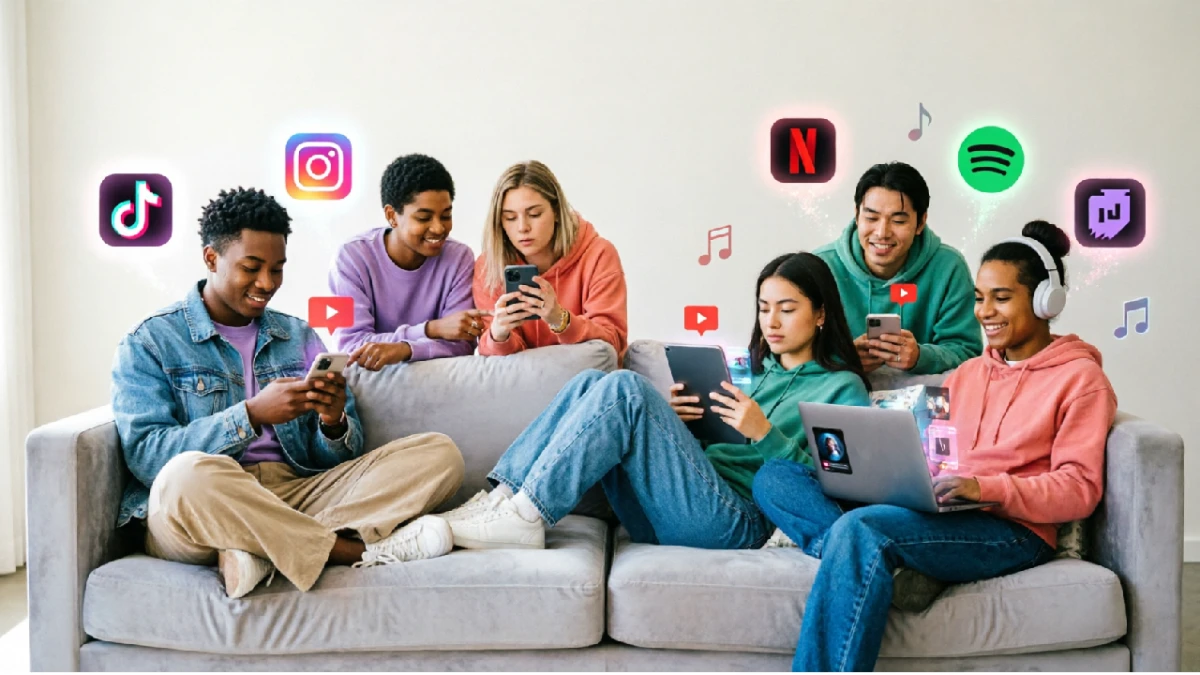
Gen Z Media Consumption Habits. In an ever-evolving digital landscape, decoding Gen Z’s media behavior is paramount for businesses, content creators, and marketers alike. As we approach 2026, the unique ways Gen Z interacts with media—from TikTok scrolls to podcast binges—are actively reshaping entertainment, marketing, and content strategy.
Overview of Media Consumption Trends
The landscape of media consumption is undergoing rapid transformations, driven significantly by the preferences and behaviors of younger generations. These evolving media consumption trends reflect a shift from traditional media to more dynamic and personalized digital experiences. Mapping these broader patterns is crucial for anyone seeking to engage effectively with audiences, particularly as platforms and content types diversify. The general trajectory points towards an increasing reliance on digital platforms for information, entertainment, and social connection, a trend that is only accelerating as technology advances.
Defining Media Consumption Habits
Media consumption habits refer to the patterns and behaviors individuals exhibit when engaging with various forms of media, encompassing everything from how often they consume content to the specific types of media and platforms they prefer. For Generation Z, these consumption habits are indicative of their preference for interactive media content and user-generated media, moving away from passive TV watching. Gen Z’s media habits are heavily characterized by digital-native proficiency and a strong preference for on-demand, interactive content over passive viewing. Decoding Gen Z’s media behavior means delving into the specific platforms they use, the types of content they seek, and the contexts in which they consume media, providing a comprehensive picture of their media use and preferences across traditional and digital platforms.
Key Trends in Media Consumption by Generation
Several key trends distinguish media consumption across different generations. Notably, Generation Z is leading the charge in adopting new media and shaping future consumption patterns. Their media habits show a pronounced shift, differing significantly from older demographics. For instance:
- Unlike millennials, who might still retain some connection to traditional media, Gen Z primarily engages with digital platforms, with social media platform giants like TikTok playing a significant role.
- They show a clear preference for short-form video content, podcasts, and streaming service offerings over traditional TV watching.
This divergence in how different generations consume media profoundly influences the media landscape of media consumption.
Impact of 2026 on Media Consumption
As we move into 2026, several factors are poised to further influence media consumption habits, building upon trends observed in 2024 and even 2022. Based on 2024 engagement data from platforms like TikTok and YouTube Shorts, 2026 will likely intensify demand for hyper-personalized, interactive media experiences—think AI-curated feeds and shoppable video content. The continued proliferation of new media technologies, coupled with the increasing sophistication of content creators and streaming platforms, will further solidify Gen Z’s preference for digital content and on-demand media experiences. The year 2026 is expected to see an even greater emphasis on:
- Personalized media experiences.
- Interactive content.
These developments will undoubtedly reshape how Generation Z consumes media, compelling media and entertainment companies to adapt their strategies for media engagement and driving innovation in digital media and digital platforms.
Digital Media Usage Among Gen Z
Popular Digital Platforms for Gen Z
For Gen Z, the landscape of digital platforms is vast and ever-evolving, heavily influencing their media consumption habits and social media use. Unlike previous younger generations, Gen Z demonstrates a distinct preference for platforms offering highly personalized and interactive media experiences. When considering their platform preferences, a few stand out:
- YouTube and Instagram remain popular choices.
- TikTok has emerged as a dominant social media platform, captivating this demographic with its short-form video content and algorithm-driven For You Page.
- Emerging platforms like BeReal and Discord also capture niche engagement through ephemeral and community-first experiences.
Analyzing digital-native content preferences among Gen Z necessitates recognizing the gravitational pull of these digital platforms, which serve as primary hubs for entertainment, information, and social connection, thereby defining their digital content engagement and media usage. The year is expected to further solidify the prominence of these dynamic streaming platforms.
Social Networks and Their Influence on Media Consumption
Social networks play an increasingly critical role in shaping Gen Z’s media consumption, fundamentally altering how this generation interacts with various forms of media consumption. These platforms are not merely for social connection; they are pivotal for news consumption, entertainment, and discovering new media types. Algorithmic curation on platforms like TikTok doesn’t just recommend content—it actively shapes Gen Z’s media diet by prioritizing engagement signals over chronological feeds. This pervasive influence means that content creators and media and entertainment companies must strategically leverage these digital platforms to effectively engage younger audiences. As we move closer to 2026, the impact of social networks on media consumption trends is only set to intensify, making them indispensable for understanding media consumption habits among Gen Zers.
Changing Patterns in Digital Media Engagement
The patterns in digital media engagement among Gen Z are continuously evolving, reflecting a dynamic shift towards more immersive and on-demand experiences. Their consumption habits are characterized by a preference for interactive content and user-generated media, moving away from passive TV watching in favor of engaging media forms.. This generation actively seeks out digital content that resonates with their personal interests, often discovering new media through recommendations from their peers or influencers on social media platforms. The transition from 2024 to 2026 will likely see an acceleration of these trends, with Gen Z further embracing new media formats and pushing the boundaries of traditional and digital media. These changing patterns highlight the need for continuous adaptation by all stakeholders in the media and entertainment industry to cater to their unique media use.
Traditional Media and Gen Z
Gen Z’s Relationship with Traditional Media
Generation Z’s relationship with traditional media marks a significant departure from previous younger generations, indicating a clear shift in media consumption habits. While older demographics might still find comfort in traditional forms of media like watching TV or reading physical newspapers, Gen Z largely gravitates towards digital content. Their exposure to traditional media is often incidental, perhaps through family viewing or in environments where global media platforms are not readily available. However, this does not mean a complete absence of engagement; rather, their media habits are predominantly shaped by digital media, making their consumption of traditional media less frequent and less central to their overall media diet. Mapping youth engagement patterns for this demographic requires acknowledging this diminished reliance on traditional media channels.
Comparative Analysis: Traditional vs. Digital Media Consumption
A comparative analysis of traditional versus digital media consumption reveals profound differences in the media habits of Gen Z. Unlike millennials, Gen Z exhibits a strong preference for digital platforms, where on-demand content and personalized media experiences are the norm. Traditional media, such as broadcast television or radio, often operates on fixed schedules, which clashes with Gen Z’s desire for immediate access and control over their content consumption. This generation’s consumption habits are heavily influenced by the interactive and social nature of digital platforms, a stark contrast to the more passive experience of traditional media. As we approach 2026, these divergent consumption patterns will continue to shape the landscape of media consumption, influencing content creators and media and entertainment companies to prioritize digital strategies.
The Future of Traditional Media Consumption
The future of traditional media consumption, particularly concerning Gen Z, points towards continued decline and adaptation. While it is unlikely that traditional media will completely disappear, its role in Gen Z’s media consumption habits will become increasingly niche. To remain relevant, traditional media outlets must integrate with digital platforms, offering hybrid experiences that blend the familiarity of traditional forms of media with the interactivity and on-demand nature of global media. This adaptation is crucial for maintaining any level of media engagement with younger audiences. The trends observed in 2022 and 2024 suggest that by 2026, successful traditional media will be those that have effectively embraced digital transformation, acknowledging that Gen Z’s media usage is primarily rooted in the digital realm.
Factors Influencing Gen Z Media Consumption
Role of Technology in Shaping Consumption Habits
Smartphones and high-speed internet don’t just support Gen Z’s media habits—they drive them. This generation expects content on-demand, anywhere, instantly. The ubiquitous access to high-speed internet, smartphones, and an array of digital platforms has fundamentally altered how this demographic engages with content. This technological immersion means that their media habits are characterized by fluidity and immediate access, making on-demand media content a standard expectation rather than a luxury. For Gen Z, technology isn’t just a tool; it’s an intrinsic part of their daily-Life media use, constantly influencing their preferences for various forms of media and driving the evolution of media consumption trends. As we approach 2026, advancements in mobile technology and connectivity will further solidify this dynamic relationship.
Societal Influences on Media Consumption Patterns
Societal influences significantly impact the media consumption patterns observed among Gen Z, extending beyond mere technological availability. Cultural trends, peer influence, and the pervasive nature of social networks shape what content they consume, how they consume it, and which platforms they frequent. In today’s attention economy, Gen Z’s preference for sub-60-second videos reflects a broader adaptation to information overload and fragmented focus. The desire for connection and community often drives Gen Z to platforms like TikTok, where viral trends and user-generated digital content foster a sense of belonging. As digital wellbeing tools like Instagram’s ‘Take a Break’ reminders gain traction, Gen Z is increasingly mindful of intentional vs. passive scrolling habits. These societal factors contribute to unique consumption habits, making it essential for content creators and media and entertainment companies to understand these dynamics to foster meaningful media engagement. The evolving landscape of media consumption in the United States reflects these broader societal shifts, particularly among younger audiences.
Understanding the Preferences of Z Adults
Understanding the preferences of Z adults, the older segment of Gen Z, is crucial for anyone looking to effectively engage this demographic, especially as they mature into full economic participants. Their consumption habits are marked by a strong inclination towards personalized media experiences, authenticity in digital content, and a preference for media that reflects their values. Unlike millennials, Z adults are digital natives who have grown up with a constant stream of information and entertainment, influencing their discerning media habits. This generation values interactive and immersive forms of media, often shunning traditional media in favor of dynamic digital platforms and streaming platforms. By 2026, their nuanced preferences will continue to shape the direction of media use and forms of media consumption.
Implications for Marketers and Content Creators
Strategies for Engaging Gen Z Audiences
For marketers and content creators, developing effective strategies for engaging Gen Z audiences requires a deep understanding of their unique media consumption habits. Given their preference for digital platforms and on-demand content, strategies must prioritize authentic, short-form video content, nano-influencer partnerships, and interactive media experiences within the media industry.. Traditional marketing approaches are largely ineffective; instead, success lies in meeting Gen Z where they already are – on social media platform giants like TikTok and through various streaming service offerings. Partnering with nano-influencers (1K–10K followers) often yields higher engagement than macro-celebrity campaigns, as Gen Z values relatability over reach. By 2026, a focus on user-generated content and transparent brand messaging will be paramount to capturing their attention and fostering genuine media engagement. Mapping youth engagement patterns here means adapting to a dynamic, digital-first mindset.
Adapting Content for Changing Media Consumption Trends
Adapting content for changing media consumption trends is no longer optional but a necessity for relevance in the media and entertainment industry, particularly when targeting Gen Z. Content creators must pivot from traditional formats, often associated with watching TV, to agile, mobile-first digital content designed for rapid consumption and sharing. This involves leveraging new media types like podcasts, live streaming, and interactive narratives that resonate with younger generations’ media habits. The shift from 2024 to 2026 will see an even greater emphasis on personalization and cross-platform content delivery to influence forms of media consumption. By 2026, shoppable video features—like TikTok’s in-app checkout—will blur the line between entertainment and e-commerce, demanding integrated content strategies. Successful adaptation means continuously innovating to keep pace with Gen Z’s evolving media usage and understanding media consumption habits.
Future Outlook for Media Consumption in the United States
The future outlook for media consumption in the United States is undeniably shaped by the evolving media consumption habits of Gen Z, pointing towards an increasingly fragmented yet personalized landscape. By 2026, digital platforms will further solidify their dominance, with streaming platforms continuing to erode the market share of traditional media. The demand for on-demand, customized media experiences will intensify, pushing content creators and media and entertainment companies to innovate constantly. We can expect an acceleration of trends observed in 2022 and 2024, with Gen Z’s preference for diverse forms of media and interactive content driving significant shifts in how all generations consume media. Ready to reach Gen Z? Start by auditing your content for mobile-first formatting, testing UGC campaigns with nano-influencers, and measuring engagement via platform-native analytics—not just vanity metrics. This dynamic environment necessitates continuous understanding of media consumption to remain competitive.