
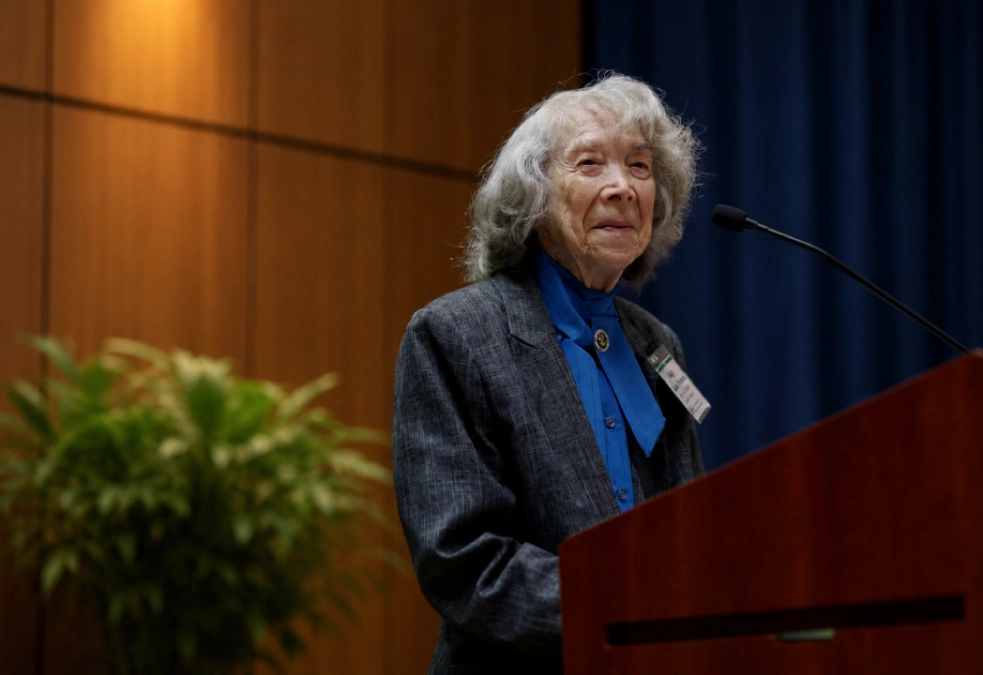
Supreme Court declines to hear 98-year-old Judge Pauline Newman appeal. The Supreme Court has made a significant decision, which many believe could have lasting implications for the independence of the federal judiciary. declining to hear the appeal of 98-year-old federal judge Pauline Newman, a move that has drawn considerable attention to issues of judicial independence and due process within the federal judiciary. This marks a pivotal moment in a long-running dispute that has seen Judge Newman suspended from hearing cases.
Background of Judge Pauline Newman
Judge Pauline Newman has had a distinguished and lengthy career, serving as a federal judge on the U.S. Court of Appeals for the Federal Circuit. Appointed to the bench decades ago, she became a prominent figure known for her intellectual rigor and steadfast commitment to the rule of law. Her tenure on the federal circuit has spanned numerous administrations and evolving legal landscapes, making her one of the most senior active judges in the federal judiciary.
Career Overview of Judge Pauline Newman
Judge Pauline Newman’s career on the federal circuit began when she was appointed to the court of appeals, an Article III court, where she has consistently handled a complex docket, primarily focusing on patent law and international trade. For decades, Judge Newman has been a diligent and respected member of the federal circuit, contributing significantly to its jurisprudence. Her prolonged service highlights her enduring dedication to public service and the administration of justice.
Significance of Judicial Independence
The concept of judicial independence is a cornerstone of the American constitutional system, safeguarding judges from undue influence and ensuring their ability to render impartial judgments, is crucial for maintaining the independence of the federal judiciary. This principle, enshrined in Article III of the Constitution, ensures that federal judges, like Judge Pauline Newman, can perform their duties without fear of reprisal or pressure from other branches of government or internal judicial bodies. The recent events surrounding Judge Newman have brought this critical aspect of the federal judiciary into sharp focus, raising questions about how it is maintained and protected.
Recent Events Leading to the Appeal
The events leading to the Supreme Court’s decision to turn away Judge Newman’s appeal began in 2023 when the Federal Circuit Judicial Council, led by Chief Judge Moore, initiated proceedings against Judge Pauline Newman. The council suspended Newman from hearing any cases, alleging judicial misconduct and that Judge Newman needed assistance with basic tasks, which some view as a dark day for the independence of the federal judiciary. The Federal Circuit Judicial Council, citing the Judicial Conduct and Disability Act, sought to end her suspension or even convince Newman to retire before opening an investigation into her mental fitness. Judge Newman, asserting her due process rights, asked the Supreme Court to hear lawsuits challenging these actions, arguing they were unconstitutional and violated her rights as an Article III judge.
Legal Context of the Appeal
Understanding Judicial Misconduct Claims
The claims of judicial misconduct against Judge Pauline Newman are central to the legal context of her appeal. Initiated by the Federal Circuit Judicial Council in 2023, these claims alleged that the 98-year-old federal judge exhibited issues requiring assistance with basic tasks, leading to her suspension from hearing cases. These actions were taken under the Judicial Conduct and Disability Act, which outlines procedures for addressing alleged misconduct or disability within the federal judiciary, significantly impacting Judge Newman’s ability to serve as an active judge on the federal circuit.
The Role of the Supreme Court in Judicial Appeals
The Supreme Court’s role in judicial appeals, particularly in cases involving an Article III judge like Judge Pauline Newman, is primarily discretionary. When Judge Newman asked the Supreme Court to hear lawsuits challenging the actions of the Federal Circuit Judicial Council, she was seeking the highest court’s intervention to address what she considered unconstitutional proceedings. The decision of the Supreme Court to turn away the appeal of 98-year-old Judge Pauline Newman means that the lower court’s decisions regarding her suspension and the ongoing investigation into her mental fitness stand, thereby affirming the processes initiated by Chief Judge Moore and the Federal Circuit Judicial Council, which some argue undermine the independence of the federal judiciary.
Constitutional Implications of the Case
The constitutional implications of Judge Pauline Newman’s case are profound, touching upon the core principles of judicial independence and due process for Article III judges. Judge Newman’s assertion that the actions taken by Chief Judge Moore and the Federal Circuit Judicial Council were unconstitutional raises critical questions about how the federal judiciary can manage issues of judicial misconduct or disability without infringing upon the lifetime tenure and independence guaranteed to federal judges. The Supreme Court declined to hear the appeal, leaving these complex constitutional questions largely unaddressed at the highest judicial level, potentially setting precedents for how future cases involving an active judge will be handled.
Impact of the Supreme Court’s Decision
Potential Consequences for Judicial Independence
The Supreme Court’s decision to turn away the appeal of 98-year-old Judge Pauline Newman carries significant potential consequences for judicial independence across the federal judiciary, with many urging the Supreme Court to reconsider. Without the Supreme Court weighing in, the precedent set by the Federal Circuit Judicial Council’s actions, which suspended Newman from hearing any cases and tried to convince Newman to retire before opening an investigation, could empower other judicial councils. This could make it easier to remove or sideline an Article III judge without robust due process, potentially undermining the constitutional safeguards designed to protect federal judges from undue pressure.
Reactions from Legal Experts and Community
Reactions from legal experts and the community to the Supreme Court’s decision have been varied, yet largely focused on the implications for Judge Pauline Newman and the broader federal judiciary, especially regarding due process and other complaints. Many express concern that the actions taken against Judge Newman threaten the independence of the federal judiciary. Supreme Court declined to hear the appeal of a 98-year-old federal judge, especially given the due process questions raised by Judge Newman’s legal team, the New Civil Liberties Alliance. Legal scholars are closely scrutinizing how the Federal Circuit Judicial Council, led by Chief Judge Moore, handled the judicial misconduct claims, debating whether these actions truly respected the constitutional rights of an Article III judge or if Judge Newman needed assistance with basic tasks.
Future of Judge Pauline Newman
The future of Judge Pauline Newman, the 98-year-old federal judge, remains uncertain following the Supreme Court’s decision to turn away her appeal. Currently, Judge Newman is suspended from hearing any cases, and the Federal Circuit Judicial Council’s investigation into her mental fitness, initiated in 2023 under Chief Judge Moore, is ongoing, with implications for due process and other complaints. Despite the Supreme Court declining to hear her appeal, Judge Newman has expressed her intent to continue fighting the judicial misconduct claims and prove her mental fitness, asserting her rights as an Article III judge and refusing to retire, a stance supported by fellow judges., aiming to end her suspension and resume her duties on the federal circuit.
FAQs
What led to the suspension of Judge Pauline Newman?
The suspension of 98-year-old Judge Pauline Newman was initiated by the Federal Circuit Judicial Council in 2023, primarily led by Chief Judge Moore, and has raised questions about the independence of the federal judiciary. The council alleged judicial misconduct and raised concerns that Judge Newman needed assistance with basic tasks. These actions were taken under the Judicial Conduct and Disability Act, which allows for investigations into the conduct and potential disabilities of federal judges. The council suspended Newman from hearing any cases and reportedly tried to convince Newman to retire before opening a formal investigation into her mental fitness.
What does the term “due process” mean in this context?
In the context of Judge Pauline Newman’s case, “due process” refers to the fundamental constitutional right guaranteeing that legal proceedings will be fair and that all individuals will be given notice and an opportunity to be heard. Judge Newman, through the New Civil Liberties Alliance, asserted that the actions taken by the Federal Circuit Judicial Council violated her due process rights as an Article III judge, arguing that the proceedings were unconstitutional and that she was not afforded a fair and impartial process before being suspended from hearing any cases and facing demands to retire.
How does this case affect the perception of judicial independence?
This case significantly impacts the perception of judicial independence, a cornerstone of the federal judiciary. The fact that the Supreme Court declined to hear the appeal of a 98-year-old active judge, especially one who alleges unconstitutional actions by a judicial council, raises concerns about the protections afforded to Article III judges. Many legal observers fear that the precedent set by the Federal Circuit Judicial Council’s actions could embolden other judicial councils, potentially making it easier to sideline federal judges without robust due process and undermining the lifetime tenure designed to ensure impartiality. These actions by the Federal Circuit Judicial Council included:
- Suspending Newman from hearing any cases, a move that raises concerns about the independence of the federal judiciary.
- Trying to convince Newman to retire before opening an investigation.
Conclusion
Summary of Key Points
The Supreme Court on Monday declined to hear the appeal of 98-year-old Judge Pauline Newman, leaving her suspension from the federal circuit in place, a cert denial in this case that has sparked widespread debate. This decision stems from allegations of judicial misconduct and concerns that Judge Newman needed assistance with basic tasks, initiated by the Federal Circuit Judicial Council in 2023, under Chief Judge Moore. Judge Newman, an Article III judge, asserted that these actions were unconstitutional and violated her due process rights, leading her and the New Civil Liberties Alliance to ask the Supreme Court to hear lawsuits challenging the judicial misconduct claims and to end her suspension.
The Supreme Court’s refusal to intervene means the lower court’s decisions stand, with several key implications:
- It impacts the future of this veteran federal judge.
- It sets a precedent for how judicial councils manage similar cases within the federal judiciary, affecting the independence of the federal judiciary.
Final Thoughts on Judicial Processes
The ongoing saga of Judge Pauline Newman highlights critical questions about the judicial processes designed to address judicial misconduct and disability within the federal judiciary, particularly concerning Article III judges. While mechanisms like the Judicial Conduct and Disability Act are necessary, this case underscores the tension between ensuring judicial accountability and preserving the fundamental principle of judicial independence. The actions taken by Chief Judge Moore and the Federal Circuit Judicial Council, and the subsequent decision by the Supreme Court to turn away the appeal of 98-year-old Judge Newman, invite a closer examination of whether current processes adequately protect the due process rights of federal judges and prevent potential overreach by judicial administrative bodies.
The Ongoing Debate on Judicial Independence
The case of Judge Pauline Newman continues to fuel the ongoing debate on judicial independence, a vital component of the American constitutional system. The situation has raised alarms among legal experts and advocates for judicial autonomy due to several key actions, including the cert denial in this case.
- The suspension of Newman from hearing any cases.
- Attempts to convince Newman to retire before opening an investigation.
Without the Supreme Court weighing in on the constitutional questions raised by Judge Newman’s legal team, concerns persist that the actions of the Federal Circuit Judicial Council could erode the safeguards intended to protect federal judges from undue pressure. This situation prompts a vital discussion on how the federal judiciary can maintain its independence while addressing genuine concerns about an active judge’s fitness to serve.