
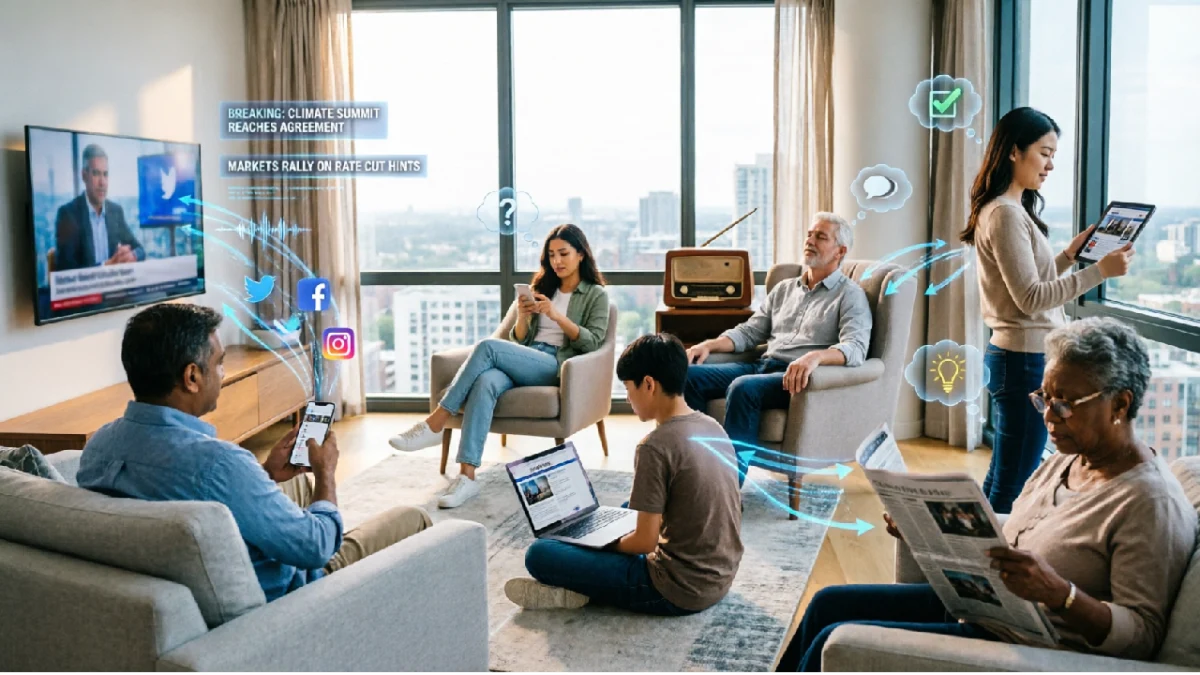
The Role of Mass Media in Shaping Public Opinion. The way we perceive the world and form our beliefs is significantly influenced by the information we consume daily. This consumption is largely mediated by various forms of communication, from traditional newspapers to modern social platforms. This article delves into the profound role mass media plays in shaping public opinion. Mass media has historically been a powerful force in shaping public opinion, acting as a primary conduit for information and a significant arbiter of public discourse. Traditional media outlets, including newspapers, television, and radio, have long held sway in determining what information reaches the public and how it is framed. This agenda-setting function allows them to amplify certain issues, influencing not only what people think about, but also how they think about it. The messages disseminated by these platforms can profoundly influence the public, contributing to the formation of shared understandings and even shaping social norms. Their long-standing presence in our media ecosystems has established their critical role in opinion formation. In the digital age, the landscape of media in shaping public opinion has undergone a dramatic transformation with the rise of social media platforms. Social media has transformed the way information is created, shared, and consumed, empowering individuals to participate in public discourse more directly than ever before. However, this evolution has also introduced new complexities, including the rapid spread of misinformation and disinformation, which can profoundly influence public opinion and lead to polarization. The very architecture of these platforms, driven by algorithms, can create echo chambers, further solidifying existing beliefs and making it challenging for users to encounter diverse perspectives, thereby fundamentally changing how social media shapes public opinion. The power of social media to influence public opinion is undeniable, with hashtags, memes, and the role of influencers playing significant parts in mobilizing public attention and even electoral outcomes. Social media can shape public discourse by providing a rapid means for social movements to gain traction and for individuals to take action. However, this influence comes with its own set of challenges, as mass media and social media platforms can also be used for organized harassment campaigns or to systematically spread misleading content. Understanding these dynamics is crucial for navigating the complex interplay between new media and traditional media in shaping public trust and ensuring a healthy public life.
Understanding How Media Shapes Public Opinion
The Influence of Mass Media
Mass media continues to hold significant sway in how it shapes public opinion, even in an increasingly digital age. Traditional media outlets, such as major television networks, newspapers, and radio stations, employ a powerful agenda-setting function. This allows them to not only dictate what topics are considered important for public discourse but also how those topics are framed, thereby influencing the public. The consistent delivery of messages through these established channels can systematically amplify particular narratives, contributing to opinion formation and solidifying certain social norms. The sheer reach and perceived authority of mass media within media ecosystems mean that their influence on public opinion remains a critical factor in understanding the collective understanding of events and issues that shape public life.
The Role of Social Media in Shaping Public Opinion
Social media has profoundly transformed the way information propagates and how public opinion is influenced. Social media platforms provide an unprecedented avenue for individuals to participate in public discourse, leading to rapid mobilization around various issues, from social movements to electoral outcomes. However, the influence of social media also introduces challenges such as the rapid spread of misinformation and disinformation, which can systematically mislead and contribute to polarization. The role of influencers and the viral nature of hashtags and memes further amplify certain messages, rapidly shaping public attention and impacting public trust. The algorithm-driven nature of these platforms often creates echo chambers, where users are primarily exposed to content that reinforces existing beliefs, thereby fundamentally altering how social media shapes public opinion and the overall media in shaping public opinion.
Comparing Mass Media and Social Media
While both mass media and social media play crucial roles in shaping public opinion, their mechanisms and impacts differ significantly. Mass media, with its traditional structure, often provides curated news and opinion, maintaining a degree of editorial control and an established history of social responsibility, although this can also lead to a more centralized message. Conversely, social media has transformed the dissemination of information into a more decentralized, user-generated process, empowering individuals but also making them susceptible to unfiltered content and systematic harassment campaigns. The power of social media to mobilize public attention and take action is immense, yet the lack of gatekeepers means that misinformation can spread unchecked, affecting public trust and exacerbating polarization. Understanding the interplay between mass media and social media is vital for navigating the complex media ecosystems and fostering digital literacy to discern credible information.
The Power of Social Media in the Digital Age
Social Media Can Shape Public Perception
Social media platforms have fundamentally altered the landscape of public discourse, offering an unprecedented ability to shape public opinion and perception rapidly and extensively. The dynamic nature of these platforms means that messages, whether intentional or not, can be amplified through sharing, likes, and comments, reaching vast audiences in a short amount of time. This immediate dissemination of information, often in the form of news and opinion, means that social media can shape public perception before traditional media outlets even have a chance to report on events. The sheer volume of content and the continuous flow of updates create a constant stream of information that actively influences the public, often through the pervasive use of hashtags and memes, which can quickly become viral and embed themselves in the collective consciousness, leading to significant opinion formation.
Case Studies of Social Movements
The role of social media in shaping public opinion is particularly evident in the context of social movements. Throughout the digital age, we have seen numerous instances where social media has transformed how these movements gain traction and mobilize. Platforms like Twitter, Facebook, and Instagram enable individuals to participate in public discourse, organize protests, and share stories that might otherwise be overlooked by traditional media. Hashtags, for instance, have become powerful tools for aggregating discussions and raising public attention around specific causes, from global climate strikes to local justice movements. This form of mobilization demonstrates the power of social media to not only influence public opinion but also to translate that influence into real-world action, often challenging established social norms and electoral outcomes, showcasing the critical role of social media in shaping public life.
Impact on Electoral Outcomes
The impact of social media on electoral outcomes is a topic of significant debate and scrutiny, highlighting how social media shapes public opinion in a profound way during election cycles. Political campaigns increasingly use social media platforms to directly engage with voters, disseminate their messages, and counter misinformation from opponents. The role of influencers and opinion leaders on these platforms can significantly sway undecided voters, as their endorsements and analyses reach a wide audience. However, this influence is a double-edged sword, as social media can also be used to spread disinformation, create echo chambers, and foster polarization, where voters are primarily exposed to content that reinforces their existing beliefs, making it difficult to foster a nuanced public discourse. Understanding the systematic influence of social media data on voter behavior is crucial for comprehending modern democratic processes and ensuring a well-informed public trust.
Mechanisms of Influence
Media Framing and Public Opinion
Media framing is a powerful mechanism through which mass media can systematically shape public opinion. It involves the way news and opinion are presented, emphasizing certain aspects of an issue while downplaying others, thereby influencing how the public perceives and interprets events. This deliberate selection and salience of information can profoundly influence the public, steering public discourse towards particular interpretations. For instance, framing a policy issue as an economic problem versus a social justice issue will elicit different public responses and contribute to distinct opinion formation. The consistent application of specific frames by traditional media outlets can solidify certain social norms and significantly impact public trust, making media framing a cornerstone of how mass media shapes public opinion.
The Role of Agenda-Setting
Agenda-setting is another crucial function performed by mass media that directly influences public opinion. This theory posits that the media shapes the public by determining which issues are considered important and worthy of public attention. By repeatedly covering certain topics, traditional media outlets and new media can amplify their perceived significance, thus setting the public agenda. This doesn’t necessarily tell people what to think, but rather what to think about, thereby guiding the parameters of public discourse. This process significantly contributes to opinion formation, as issues that receive extensive media coverage are more likely to be seen as critical by the public. The media in shaping public opinion through agenda-setting dictates what becomes a priority in public life, influencing political debate and electoral outcomes.
Digital Age Dynamics: Trends and Challenges
In the digital age, the dynamics of how media shapes public opinion have become far more complex, presenting both new trends and significant challenges. Social media platforms have transformed the landscape, offering unprecedented avenues for information dissemination but also creating fertile ground for misinformation and disinformation. The sheer volume of content and the speed at which it spreads means that social media can shape public perception almost instantaneously, often before facts can be verified. The role of influencers and the viral nature of hashtags and memes contribute to rapid mobilization, yet also lead to increased polarization as algorithm-driven echo chambers reinforce existing beliefs. Understanding these digital media ecosystems requires a new level of digital literacy to navigate the complexities and ensure public trust in the information consumed.