
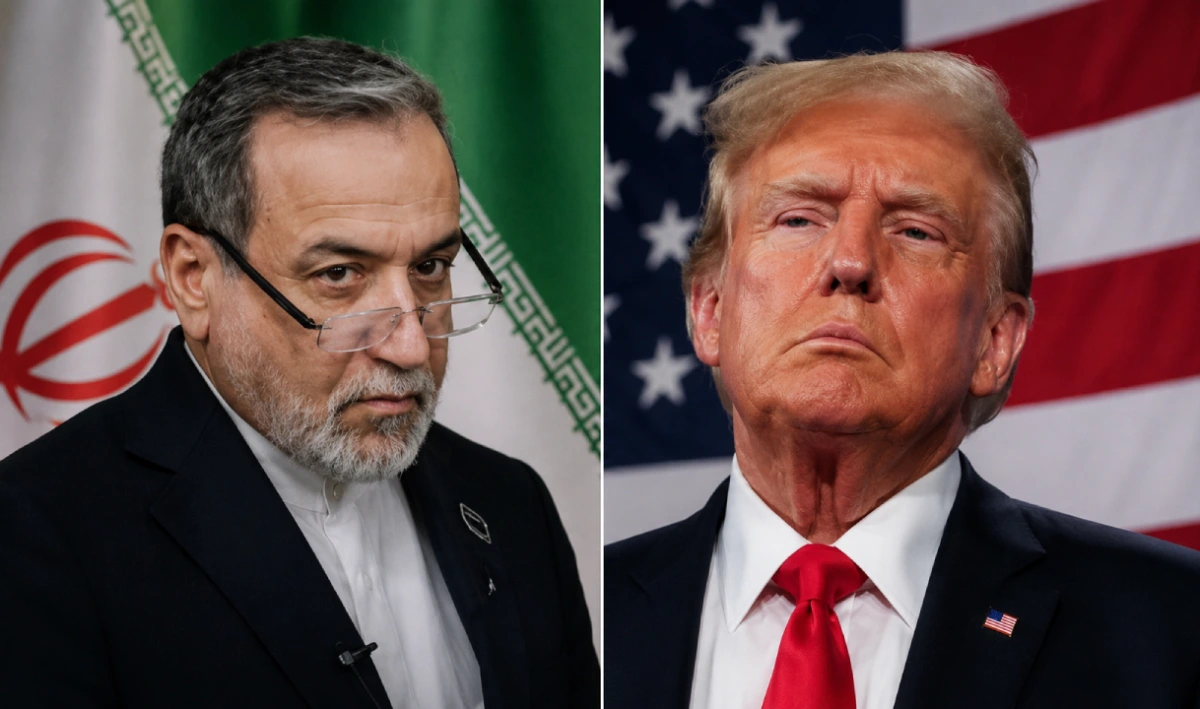
In a significant development that could reshape the geopolitical landscape, reports indicate that President Donald Trump is open to meeting with Supreme Leader Khamenei regarding the Iran deal. This potential diplomatic overture comes at a critical juncture, as tensions between the U.S. and Iran remain high.
Background of the Iran Deal
The Iran nuclear deal, formally known as the Joint Comprehensive Plan of Action (JCPOA), was a landmark agreement designed to prevent Iran from developing nuclear weapons in exchange for the lifting of international sanctions. Understanding the historical context and the components of this complex deal is crucial for appreciating the current diplomatic challenges and the implications of a potential meeting between President Donald Trump and the Iranian leader.
History of U.S.-Iran Relations
The history of U.S.-Iran relations has been marked by periods of cooperation and intense hostility, deeply influencing the current political climate surrounding the deal. This enduring mistrust significantly complicates efforts for the U.S. and Iran to meet and find common ground, particularly concerning the nuclear program and regional stability, as each side harbors profound historical grievances. Key historical events that have shaped this relationship include:
| Year of heightened tensions, particularly during the election cycle, has impacted U.S.-Iran relations. | Event |
| 1953 | Coup |
| 1979 | Iranian Revolution and subsequent hostage crisis |
Key Components of the Iran Nuclear Deal
The Iran nuclear deal was an intricate arrangement, establishing strict limitations on Iran’s nuclear activities in exchange for sanctions relief. The comprehensive nature of the deal aimed to provide assurance to the international community that Iran’s nuclear program would remain exclusively peaceful. The challenge now is whether a new deal with Iran, potentially following a meeting between President Donald Trump and the supreme leader, can recapture these vital safeguards.
| Requirement | Details |
|---|---|
| Centrifuges | Significant reduction |
| Enriched Uranium Stockpiles | Significant reduction |
| Facilities | Subject to rigorous international inspections |
Consequences of the Deal’s Withdrawal
The decision by President Donald Trump to withdraw the U.S. from the Iran nuclear deal had profound consequences, reigniting tensions and raising fears of potential conflict. The reimposition of U.S. sanctions crippled Iran’s economy and led to a gradual scaling back of Iran’s commitments under the deal. This escalation created an environment where concerns about a potential U.S.-Israeli war on Iran became more pronounced, making the prospect of President Donald Trump being open to meeting with the supreme leader a critical diplomatic avenue to de-escalate the situation and prevent further instability.
Potential Meeting Between Trump and Khamenei
Reasons for the Meeting
The prospect of President Donald Trump being open to meeting with Supreme Leader Khamenei stems from a complex interplay of diplomatic, economic, and security considerations. Both the U.S. and Iran have expressed a desire to de-escalate tensions, especially in the wake of renewed sanctions and regional instability. For the U.S., a direct dialogue could offer an opportunity to negotiate a new deal with Iran that addresses key areas:
| Area of Negotiation | Details |
| Nuclear Proliferation | Addressing concerns related to Iran’s nuclear program. |
| Ballistic Missile Program | Discussing Iran’s development and deployment of ballistic missiles, especially under Iran’s new supreme leader. |
| Regional Influence | Considering Iran’s role and activities in the wider region. |
From Iran’s perspective, Supreme Leader Ali Khamenei might see a meeting with U.S. President Donald Trump as a way to alleviate the severe economic pressure exerted by U.S. sanctions, which have crippled Iran’s economy. While the Iranian leadership has often been wary of direct talks with the U.S., the current circumstances might necessitate such an engagement to secure sanctions relief and safeguard the nation’s interests. The potential for a less confrontational approach, despite the ongoing rhetoric, could open doors for both sides to explore common ground and avoid a further escalation that could lead to a broader war.
Possible Outcomes of the Discussion
A meeting between President Donald Trump and Supreme Leader Khamenei, if it materializes, could lead to several significant outcomes. Ideally, such a high-level discussion could pave the way for a new, more comprehensive deal with Iran, potentially re-engaging the U.S. in a diplomatic solution that addresses concerns from all parties. If a deal is reached, it could include a commitment from Iran to further restrict its nuclear activities in exchange for substantial sanctions relief, thereby stabilizing the region and preventing a potential U.S.-Israeli war on Iran.
However, the discussions could also result in a stalemate, with both sides failing to bridge their significant differences. Even a modest agreement, such as a framework for future negotiations or a de-escalation of regional tensions, would be considered a success given the current climate. The presence of hardliners on both sides, including figures like Mojtaba Khamenei, could make it challenging to find common ground. The primary goal would be to prevent further escalation and lay the groundwork for a lasting peace, even if a full resolution remains elusive.
Challenges to Reaching an Agreement
Reaching an agreement between President Donald Trump and Supreme Leader Khamenei faces numerous challenges, primarily rooted in deep-seated mistrust and divergent strategic interests. The U.S. demands for Iran to cease its ballistic missile program and halt its support for regional proxies are significant hurdles. Iran, on the other hand, insists on the complete lifting of U.S. sanctions and a guarantee that any new deal will not be unilaterally abandoned again, as was the case with the original deal.
Internal political dynamics in both countries also present significant obstacles. In Iran, the influence of hardliners, including the Supreme Leader Ayatollah Mojtaba, could limit the flexibility of negotiators. Similarly, President Donald Trump faces domestic pressure from those who advocate for a more hardline stance against Iran. Overcoming these deep-seated political and ideological divisions, while navigating the complex historical context of U.S.-Iran relations, will be crucial for any successful outcome. The risk of a U.S.-Israeli war on Iran remains a constant undercurrent, further complicating diplomatic efforts.
The Impact of War on Diplomatic Relations
Effects of Military Conflicts on Negotiations
Military conflicts invariably complicate negotiations, making any potential meeting between President Donald Trump and Supreme Leader Khamenei a delicate endeavor. The specter of war, such as a potential U.S.-Israeli war on Iran, heightens mistrust and hardens bargaining positions, often leading to maximalist demands. When military actions are ongoing or recently concluded, the emotional and political fallout can overshadow diplomatic efforts, making it difficult for either side to concede ground. This necessitates a careful approach if any new deal with Iran is to be reached.
Historical Precedents of War and Diplomacy
History is replete with examples where war and diplomacy have intertwined, sometimes leading to unexpected outcomes. The Cold War, for instance, saw periods of intense proxy conflicts alongside back-channel negotiations. For President Donald Trump to meet with the Iranian leader, he might draw on precedents where adversaries, despite open hostilities, found common ground to de-escalate or prevent further conflict, a strategy he emphasized during the election. The challenge for Supreme Leader Ali Khamenei and U.S. President Donald Trump is to navigate historical grievances and current tensions to forge a path toward a new deal with Iran that avoids a broader war.
Public Opinion on Military Action vs. Diplomacy
Public opinion plays a crucial role in shaping the viability of both military action and diplomacy. In the U.S. and Iran, public sentiment, influenced by political rhetoric and media narratives, can either bolster or undermine efforts to meet and negotiate. While some segments of the public might advocate for a strong military stance, others prefer a diplomatic resolution to avoid the human and economic costs of war. The decision for President Donald Trump to be open to meeting with Supreme Leader Khamenei indicates an understanding of the importance of public perception in pursuing a new deal with Iran.
FAQs
What does a meeting between Trump and Khamenei signify?
A potential meeting between President Donald Trump and Supreme Leader Ali Khamenei signifies a significant shift in U.S.-Iran relations, indicating a mutual willingness to explore diplomatic solutions despite profound tensions. It suggests a direct line of communication could be opening, potentially bypassing traditional diplomatic channels to discuss a new deal with Iran, as U.S. President Donald Trump would meet with Iranian officials. If they meet, it would mark a rare high-level engagement between the two nations, aiming to de-escalate conflicts and prevent a wider war.
How might this meeting affect U.S.-Iran relations?
A meeting could profoundly impact U.S.-Iran relations by potentially thawing years of hostility and mistrust. Should President Donald Trump and the Supreme Leader successfully meet and initiate dialogue, it could lead to a framework for a new deal with Iran, addressing nuclear issues and regional stability. Conversely, if the discussions fail, it could further entrench existing divisions and escalate tensions, increasing the risk of a U.S.-Israeli war on Iran.
What are the implications if a new deal is reached?
If a new deal is reached between President Donald Trump and Supreme Leader Ali Khamenei, the implications would be far-reaching. It could lead to significant sanctions relief for Iran, boosting its economy, and a commitment from Iran to further limit its nuclear program. A successful deal would stabilize the Middle East, reduce the threat of war, and potentially foster a more cooperative relationship between the U.S. and Iran, impacting global energy markets and security alliances.