
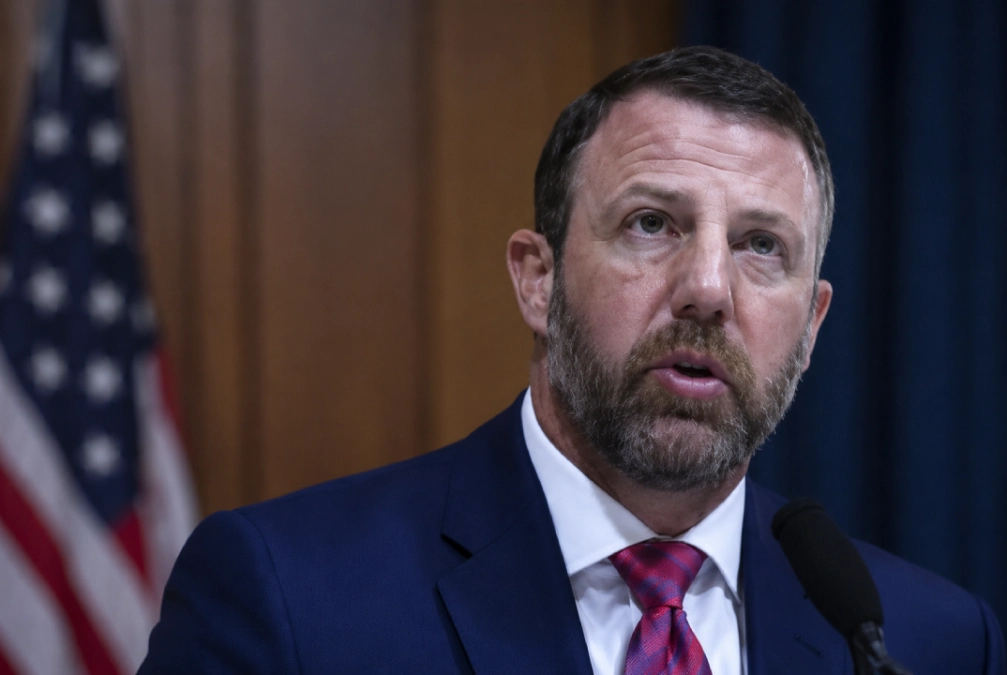
Senate passes DHS bill to fund ICE and Border Patrol. In a significant legislative move, the House of Representatives recently passed a critical DHS bill aimed at providing substantial funding for key components of our nation’s homeland security apparatus. This comprehensive bill seeks to bolster the operations of immigration enforcement agencies, including funding for ICE, ensuring the continued safety and security of our borders and communities.
DHS Funding Overview
Senate passes DHS bill to fund ICE and Border Patrol
The recently passed DHS funding bill is a pivotal piece of legislation designed to allocate resources to various agencies under the umbrella of the Department of Homeland Security. The aim is to prevent a potential partial shutdown and ensure that essential immigration enforcement and border security functions remain robustly supported through 2026, building upon the foundations laid during the Trump administration’s emphasis on national security.
This bill would fund critical operations for the following components of homeland security, including the federal emergency management agency and transportation security.
| Agency | Funding Focus |
|---|---|
| Immigration and Customs Enforcement (ICE) | Critical operations for agencies like ICE and Border Patrol are essential for maintaining national security, and the Senate passes measures to ensure their funding. |
| Customs and Border Protection (CBP) | Critical operations |
| Other vital components of homeland security | Critical operations |
Key Components of the Bill to Fund ICE and CBP
A central focus of this bill is to provide substantial resources directly to immigration enforcement agencies. The funding bill specifically outlines allocations that would fund operations, enhancing their capacity for border security and interior enforcement. Beyond these, the legislation also earmarks funds for other crucial entities, ensuring a comprehensive approach to national security funding.
| Agency | Purpose of Funding |
| ICE and Border Patrol | Operations, border security, and interior enforcement |
| FEMA | National security funding is crucial, and the Senate Majority Leader has indicated support for legislation to fund ICE and Border Patrol operations. |
| TSA | National security funding |
Importance of Reconciliation in Funding
The passage of this DHS funding bill highlights the strategic use of reconciliation, a legislative process that allows certain budgetary measures to pass the Senate with a simple majority, circumventing the need to overcome a filibuster. This reconciliation bill to fund critical homeland security functions, including ICE and CBP, was instrumental in its progress. Given past instances where DHS funding lapsed, ensuring a clear path to provide funding for ICE and Border Patrol and avoid a shutdown is paramount for the continuous operation of these vital security agencies.
Impact on Homeland Security
Role of ICE and Border Patrol in National Security
The role of ICE and Border Patrol is absolutely critical to national security, forming the frontline of defense against various threats, which House Republicans have emphasized in their discussions. This DHS funding bill would fund ICE and Border Patrol operations, strengthening their capacity for immigration enforcement and safeguarding the nation’s borders. The House passes this bill recognizing that adequate resources for these immigration enforcement agencies are essential to maintain a robust defense against illicit activities and secure the homeland, building upon the foundations of previous administrations.
Funding Challenges for Homeland Security Agencies
Homeland security agencies frequently face significant funding challenges, making the passage of this DHS funding bill even more crucial. The reconciliation bill aims to overcome potential legislative hurdles, ensuring that the Department of Homeland Security has the necessary budget resolution to continue its essential work through 2026 and beyond. Without a dedicated bill to fund the following vital components, critical operations could be jeopardized:
| Agency | Role |
| ICE | Critical operations |
| CBP | Critical operations |
| FEMA | Critical operations |
| TSA | Critical operations |
Potential Shutdown Consequences
A potential shutdown of homeland security agencies due to a lapse in DHS funding would have severe consequences for national security. If Congress failed to pass a bill to fund ICE and Border Patrol, it could lead to a partial shutdown, impacting immigration enforcement and border security operations. This DHS funding bill seeks to prevent such an outcome, as a shutdown would undermine the ability of immigration and customs enforcement to protect the nation, creating vulnerabilities that could be exploited.
Political Dynamics Surrounding the Bill
House Passes DHS Funding: A Bipartisan Effort?
The House passes DHS funding with a mix of bipartisan support and partisan divisions, reflecting the complex nature of immigration enforcement and homeland security. While some moderate members from both sides of the aisle acknowledged the necessity to fund ICE and Border Patrol, ensuring the stability of the Department of Homeland Security, the overall vote often fell along party lines. This reconciliation bill to fund critical operations through 2026 aimed to avoid a partial shutdown, a goal that typically garners broader consensus among House Republicans and Senate leaders.
Senate Republicans’ Stance on Funding Bill
Senate Republicans have articulated a clear stance on the funding bill, often emphasizing border security and robust immigration enforcement. Their support for the DHS funding bill is contingent on adequate provisions to fund ICE and Border Patrol operations effectively, as articulated by Senate Majority Leader John Thune. While acknowledging the need to prevent a shutdown, many Senate Republicans also scrutinize the bill to ensure it aligns with their priorities, often advocating for increased allocations for immigration and customs enforcement activities, a position consistent with views expressed during the Trump administration.
Influence of the Trump Administration on Current Funding
The influence of the Trump administration continues to shape the current DHS funding landscape, particularly regarding immigration enforcement. The emphasis placed on border security and the operations of ICE and CBP during President Donald Trump’s tenure set a precedent for current legislation to fund these agencies effectively. Lawmakers are still navigating these priorities, with the current bill to fund ICE and Border Patrol reflecting a continued focus on these areas. This historical context impacts how both parties approach the Department of Homeland Security’s budget, aiming to provide funding effectively.
FAQs
What does the DHS funding bill entail?
The DHS funding bill is a comprehensive piece of legislation designed to provide crucial financial resources for the Department of Homeland Security, facilitating the funding for ICE and other agencies. This bill would fund ICE and Border Patrol, along with other key agencies like the federal emergency management agency and TSA, to ensure comprehensive national security. Its primary purpose is to ensure the continuous operation of essential homeland security functions, including immigration enforcement and border security, through 2026, thereby preventing a potential government shutdown and maintaining national security.
How will this funding impact ICE and Border Patrol operations?
This DHS funding bill would significantly impact ICE and Border Patrol operations by providing them with the necessary resources to carry out their missions effectively, as the Senate passes new legislation to fund these agencies. The funding bill aims to enhance their capacity for immigration enforcement, border security, and interior operations, reflecting the ongoing need for robust legislation to fund these efforts. With increased funding, ICE and Customs and Border Protection can strengthen their personnel, acquire new technologies, and improve infrastructure, all of which are vital for securing the nation’s borders and enforcing immigration laws.
What are the implications of a potential government shutdown?
The implications of a potential government shutdown due to a lapse in DHS funding are severe and far-reaching. A partial shutdown would disrupt critical homeland security operations, impacting immigration enforcement, border security, and other essential services provided by the Department of Homeland Security. It could lead to furloughs of essential personnel, delays in vital programs, and a compromised ability to respond to national security threats, underlining the importance of passing a bill to fund these agencies.