
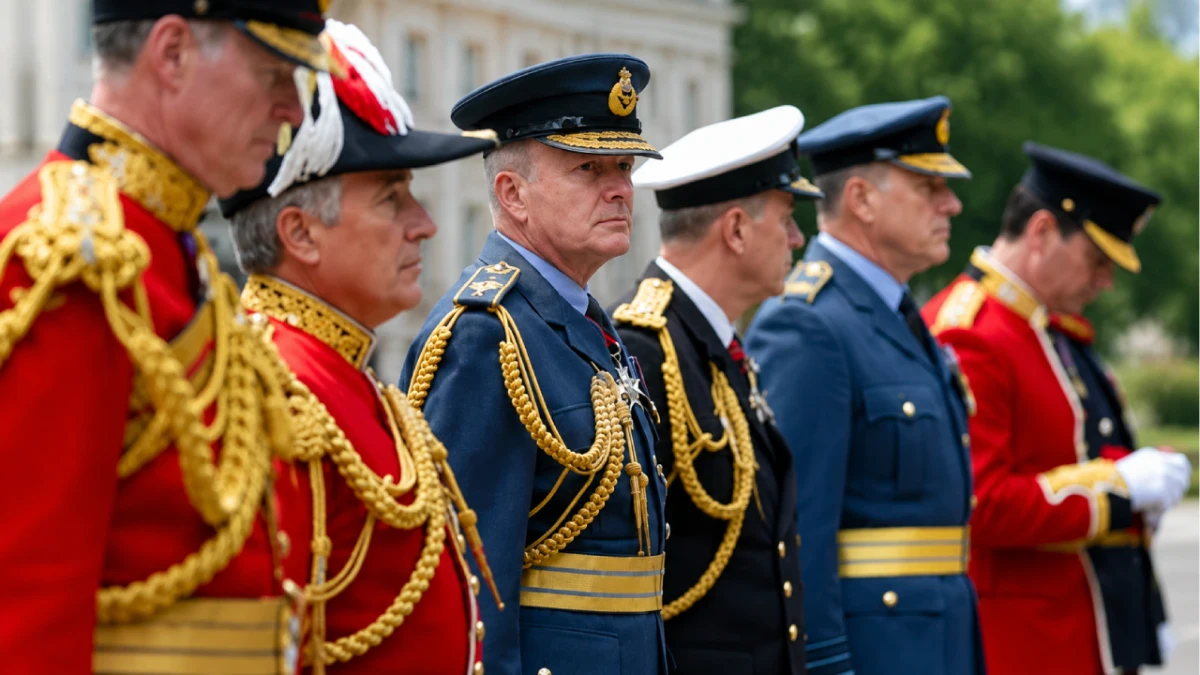
In an era of escalating global tensions, a stark warning from the UK’s military chief has reverberated through political and defence circles, urging Britain plans to significantly boost its defence spending by £28bn to counter the growing Russian threat.. This call to action comes at a critical juncture, as the ongoing conflict in Ukraine reshapes the geopolitical landscape and underscores the imperative for robust national security.
Current State of UK Defence Spending
The current state of UK defence spending is under intense scrutiny, with many defence leaders and analysts suggesting it is insufficient to meet the evolving threats. The Ministry of Defence’s budget allocation has faced challenges, balancing operational needs with long-term investment in technology and equipment, as highlighted by General Dannatt. The ongoing pressure on public finances has meant difficult choices, impacting various aspects of the armed forces’ capabilities and readiness.
Overview of Defence Budget Allocation & UK military chief warns
An overview of the defence budget allocation reveals a complex picture. Significant portions are dedicated to various areas, as detailed below:
| Budget Allocation Area | Description |
| Personnel Costs | Covers expenses related to military and civilian personnel. |
| Equipment Procurement | Funding for acquiring new military equipment and systems. |
| Maintenance | Resources allocated for upkeep and repair of existing assets. |
However, there are growing concerns about shortfalls in key areas, particularly in modernising existing force structures and investing in cutting-edge military technology. This strategic shortfall could leave the British armed forces vulnerable to sophisticated adversaries in a potential future conflict, challenging the nation’s ability to maintain peace.
Comparison with GDP and Other Nations
In comparison with GDP and other nations, the UK’s defence spending has consistently hovered around NATO’s target of 2% of GDP, though many argue this is no longer adequate. This call for a substantial rise in defence investment reflects a recognition that the current allocation pales in comparison to the scale of the Russian threat and the comprehensive investments being made by other global powers.
| Figure | Proposed Defence Spending Target |
|---|---|
| Former Prime Minister Donald | 2.5% or even 3.5% of GDP |
Recent Trends in Military Funding
Recent trends in military funding indicate a gradual increase, yet critics insist it is insufficient to address the pressing needs of the modern battlefield, especially in light of the £6bn shortfall. The government’s defence investment plan aims to inject more capital into the Ministry of Defence (MOD), but the pace and scale of this funding are contentious. Many military chief figures are concerned that the current trajectory will not adequately prepare Britain to deter aggression effectively, especially given the rapid advancements in military capabilities by potential adversaries like Russia.
Military Chief’s Statement
The military chief’s statement serves as a powerful testament to the urgent need for increased defence spending in Britain. This explicit warning underscores the escalating tension with Russia and the potential for a wider conflict. The chief’s intervention highlights the critical importance of national security and the need for the UK to strengthen its armed forces to protect its interests and maintain peace in a volatile world.
Details of the Warning
The details of the warning from the military chief, Sir Richard, were stark and unequivocal, echoing an urgent call for Britain to boost its defence spending against the formidable Russian threat. He confirmed that the UK faces a ‘1936 moment,’ suggesting a parallel to the pre-war period when the necessity for military preparedness became acutely evident. Sir Richard’s statement, often reiterated in discussions with the BBC, particularly highlighted the lessons learned from Russia’s invasion of Ukraine and the subsequent shift in the global balance of power, stressing the need for immediate and substantial investment to enhance the nation’s resilience and deter aggression.
Implications for the Armed Forces
The implications for the armed forces are profound, as a significant increase in defence spending would directly translate into enhanced capabilities and improved readiness. Such investment would address the existing shortfalls in equipment and personnel, allowing the British military to modernise its forces and acquire cutting-edge technology. This strategic boost is crucial for the armed forces to effectively counter the Russian threat and fulfil their role in maintaining global peace and national security, ensuring that the UK can respond decisively to any future conflict.
Response from the Government
The response from the government to the military chief’s warning has been a mix of acknowledgment and pledges for future action, with the Prime Minister indicating a commitment to increase defence spending. While there is an understanding of the gravity of the Russian threat, the specifics of how and when this increase will manifest remain under discussion. Defence leaders, including Sir Keir Starmer, have consistently urged for a firm commitment, emphasising that any delay could compromise national security and the ability of the UK to deter potential aggression effectively, particularly from a resurgent Russia.
Political Response and Urgency
Keir Starmer’s Position
Keir Starmer, the leader of the opposition, has notably amplified the call for a significant increase in UK defence spending, aligning with the military chief’s urgent warning. Starmer has consistently urged the government to boost the Ministry of Defence’s budget, recognising the escalating Russian threat and the critical need to enhance the British armed forces’ capabilities. His stance reflects a broader cross-party consensus that the nation’s current defence investment is insufficient to ensure national security and maintain peace in an increasingly volatile global landscape, especially given the ongoing conflict in Ukraine and heightened international tension.
Letter to the Prime Minister
In a direct move to pressure the government, Keir Starmer, alongside other defence leaders, issued a formal letter to the Prime Minister, urging a concrete pledge to raise defence spending to 2.5% of GDP. This letter to the Prime Minister underscored the dire warnings from the military chief, Sir Richard, and highlighted the existing shortfalls in equipment and readiness within the British armed forces. The communication emphasized that a failure to act decisively could leave the UK vulnerable to aggression, stressing the importance of a robust defence investment plan to deter potential adversaries and bolster the nation’s resilience.
Calls for Increased Funding
The calls for increased funding have intensified from various quarters, with many voices echoing the military chief’s warning that Britain faces a ‘1936 moment.’ There is a widespread insistence that the current defence budget is inadequate to counter the growing Russian threat, particularly in light of the invasion of Ukraine. Defence leaders, including Sir Richard, urge a substantial rise in investment to ensure the armed forces are equipped with modern technology and sufficient resources to deter aggression effectively and maintain peace, asserting that this boost is vital for national security and the UK’s global standing.
Potential Threats and Conflicts
Analysis of the Russian Threat
The analysis of the Russian threat, as articulated by the military chief and defence leaders, confirms a significant and escalating danger to UK and European security. Russia’s continued aggression, particularly its actions in Ukraine, highlights its willingness to challenge international norms and use military force to achieve its objectives. This assessment necessitates a robust defence investment plan to bolster the British armed forces, ensuring they possess the capabilities and readiness to deter Russian adventurism and protect national interests, thereby mitigating the risk of a wider conflict and preserving peace.
Historical Context of UK-Russian Relations
The historical context of UK-Russian relations reveals a complex interplay of cooperation and tension, frequently marked by periods of geopolitical rivalry, often likened to a new Cold War, which has significant implications for defence and security. From the Great Game to the recent Salisbury poisonings, the dynamic between the two nations has often been adversarial. This deep-seated history underpins the current concerns about the Russian threat, making the military chief’s warning about the need for increased defence spending particularly resonant, as Starmer warned. Understanding this background is crucial for comprehending the urgency behind calls to boost the UK’s military force and enhance national security against a long-standing adversary.
Preparedness of British Armed Forces
The preparedness of British armed forces is under intense scrutiny, with the military chief expressing concerns about existing shortfalls in equipment and personnel that could undermine the UK’s ability to deter aggression. While the Ministry of Defence is committed to a defence investment plan, many insist that the pace and scale of this funding are insufficient to adequately counter the Russian threat. A substantial increase in defence spending is urged to ensure the armed forces are fully equipped with modern technology, maintaining a high level of readiness to respond to any potential conflict and safeguard national security and peace.
Conclusion
Summary of Key Points
The military chief’s stark warning confirms that the UK faces a “1936 moment,” necessitating a substantial increase in defence and security spending. significant increase in defence spending to counter the escalating Russian threat. Defence leaders, including Sir Richard, have urged the Prime Minister to boost the Ministry of Defence budget, stressing the existing shortfalls in equipment and the need for enhanced readiness. Keir Starmer has also warned about the inadequacy of current funding, advocating for a substantial rise in investment to deter aggression and ensure national security amidst ongoing tension and the invasion of Ukraine.
Future Outlook for UK Defence Policy
The future outlook for UK defence policy involves a crucial period of increased defence spending to bolster the armed forces against the Russian threat, as urged by the military chief and defence leaders. This will likely see a sustained commitment to a defence investment plan, aiming to reach 2.5% or even 3.5% of GDP. The focus will be on modernising technology, addressing equipment shortfalls, and enhancing the resilience of Britain’s military force to deter potential adversaries and maintain peace in a volatile global landscape, ensuring the UK’s long-term national security.
FAQs
What is the current level of UK defence spending?
Currently, the UK’s defence spending hovers around NATO’s target of 2% of GDP, though defence leaders and the military chief have urged an increase. The Ministry of Defence budget has been subject to scrutiny, with many warning that this level is insufficient to address the growing Russian threat and the shortfalls in equipment and technology required by the armed forces. There is a strong consensus that a substantial boost in funding is necessary to ensure national security and deter aggression.
How does the UK defence budget compare to other NATO countries?
While the UK’s defence budget generally meets NATO’s 2% of GDP target, many, including the military chief and Keir Starmer, insist it pales in comparison to the necessary investment to counter the Russian threat. Some NATO allies are increasing their defence spending significantly, recognizing the heightened global tension. The call for a rise to 2.5% or 3.5% of GDP reflects a desire for Britain to align its defence investment more closely with the strategic needs identified by defence leaders and to bolster its armed forces effectively.
What measures are being proposed to address the Russian threat?
To address the Russian threat, defence leaders and the military chief are proposing a substantial increase in UK defence spending. This increase aims to boost the Ministry of Defence budget to acquire modern technology, upgrade equipment, and enhance the readiness of the armed forces. There is also an emphasis on a robust defence investment plan to deter aggression, improve national security, and ensure Britain’s resilience against potential adversaries, ensuring the UK can maintain peace effectively.
| Proposed Defence Spending | Rationale/Objective |
|---|---|
| 2.5% of GDP | Increase the Ministry of Defence budget for modern technology, equipment upgrades, and enhanced armed forces readiness. |
| 3.5% of GDP | Further investment to deter aggression, improve national security, and ensure Britain’s resilience. |