
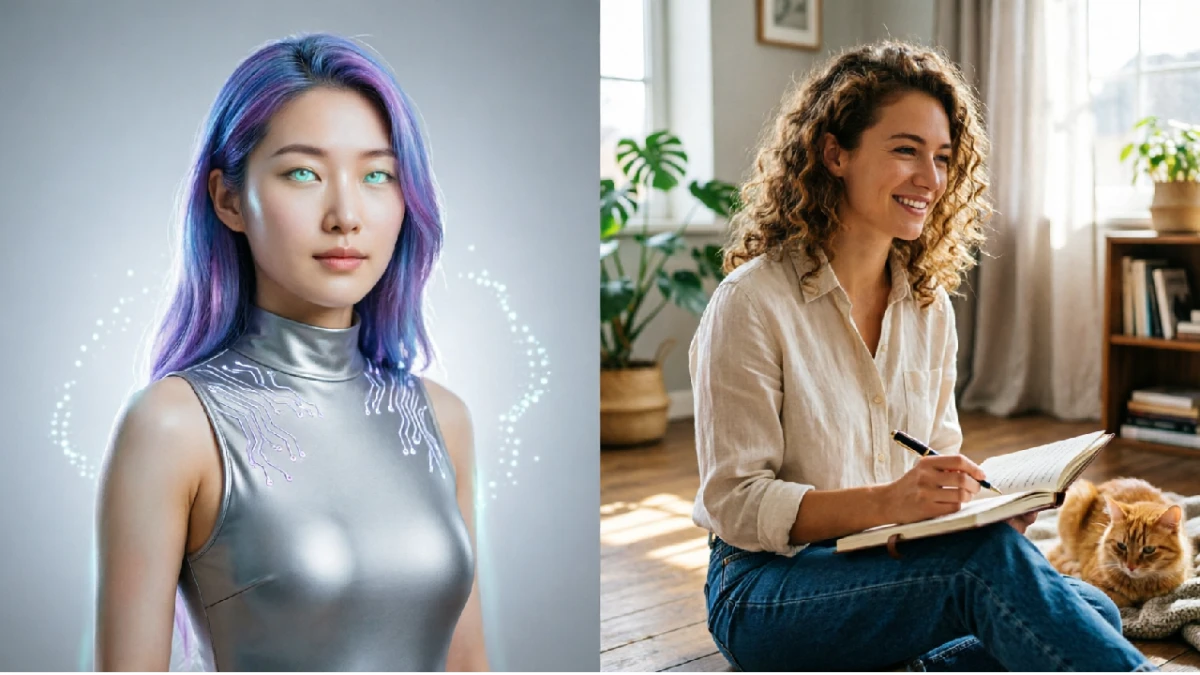
AI Influencer vs Human Influencer in 2026: Which Is Best for Brands? In the rapidly evolving landscape of digital marketing, brands constantly seek innovative strategies to connect with their target audiences. The year 2026 presents a pivotal moment, as the debate intensifies between leveraging the power of an AI influencer versus the enduring appeal of a human influencer. This article delves into the nuances of both, helping brands make informed decisions.
Understanding AI Influencers vs Human Influencer
The advent of AI has revolutionized numerous industries, and influencer marketing is no exception. Understanding the core aspects of an AI influencer is crucial for any brand considering this modern approach to consumer engagement. These digital entities, often created using the best AI technologies, offer a unique blend of innovation and control, making them increasingly attractive.
Definition and Characteristics of AI Influencers
An AI influencer is a digital persona or avatar, entirely generated and powered by artificial intelligence, designed to emulate human creators and engage with an online audience. These virtual influencers possess distinct characteristics, including a meticulously crafted persona, often a compelling backstory, and the ability to generate AI content, ranging from images to AI video, creating a consistent on-brand image without the complexities sometimes associated with human creators.
The Rise of AI Influencers in Marketing
The rise of AI influencers in marketing has been meteoric, transforming how brands choose AI for promotion. Initially viewed as a novelty, virtual influencers like Lil Miquela have demonstrated their immense potential, amassing millions of followers across platforms like TikTok. Marketers are increasingly recognizing that brands are using AI influencers to achieve unparalleled consistency and control over their brand messagingBy 2026, making the AI influencer a significant force, especially those created using hyper-realistic techniques.
Top AI Influencer Platforms
As the demand for AI influencers grows, so too does the ecosystem supporting them, including the creation of hyper-realistic avatars. Top AI platforms are emerging that specialize in creating and managing these virtual creators. These platforms leverage generative AI to develop realistic AI avatars and facilitate the production of AI-generated content, streamlining the workflow for brands that choose to use AI influencers, thereby offering comprehensive solutions for AI influencer marketing.
The Role of Human Influencers
Despite the rapid advancements in AI, the foundational role of human influencers remains undeniable. Their ability to foster genuine connections and provide an authentic voice continues to be a cornerstone of effective influencer marketing strategies. Many brands still find immense value in the irreplaceable human touch.
What Defines a Human Influencer?
A human influencer is a real individual who has cultivated an audience through their authentic personality, expertise, and content across various digital platforms. What defines a human influencer is their inherent relatability, the human touch they bring, and their ability to share genuine experiences and opinions, which fosters a deep level of trust and connection with their followers that is often challenging for an AI avatar to replicate fully.
The Human Touch in Influencer Marketing
The human touch in influencer marketing refers to the authentic connection, relatability, and emotional resonance that human creators bring to their audience. Human influencers bring genuine experiences, spontaneous interactions, and personal anecdotes that forge a stronger bond between the brand and the consumer. This authenticity is a crucial differentiator when comparing an AI influencer vs. a human influencer, especially in building long-term brand loyalty and trust.
Brands Using Human Influencers Successfully
Many brands continue to achieve remarkable success by collaborating with human influencers, leveraging their unique ability to create relatable and engaging influencer accounts. These brands understand that millions of influencers offer diverse voices and perspectives, enabling highly targeted campaigns. The success stories underscore that human influencers bring an invaluable element of trust and authenticity that resonates deeply with consumers, making them a preferred choice for many companies.
Comparative Analysis: AI Influencer vs Human Influencer
Benefits of Using AI Influencers
The benefits of using AI influencers for a brand are manifold, particularly in an era where digital presence and consistent messaging are paramount. One significant advantage is the unparalleled control a brand maintains over the AI influencer’s persona and content, ensuring every message is perfectly on-brand. AI influencers don’t require breaks, can operate 24/7, and eliminate the unpredictability sometimes associated with human creators, streamlining the workflow and ensuring rapid deployment of influencer content. Another key benefit is the scalability and cost-effectiveness. While the initial investment in developing a unique AI avatar using generative AI might be substantial, the ongoing costs can be significantly lower compared to managing multiple human influencers. A brand can use AI influencers to consistently deliver high-quality AI video and other AI content across various platforms like TikTok, without the logistical challenges of scheduling and travel that often accompany real human collaborations, making them an attractive option for future influencer marketing in 2026.
Advantages of Human Influencers
Despite the rise of AI influencers, the advantages of human influencers remain compelling and deeply rooted in the very nature of human connection. Human influencers bring an authentic relatability and emotional depth that an AI avatar, no matter how advanced, struggles to replicate fully. Their genuine experiences and opinions foster a deeper level of trust and engagement with their audience, as followers connect with a real human who shares their values and struggles. This human touch is crucial for campaigns requiring nuanced storytelling, genuine testimonials, or spontaneous interactions that build long-term brand loyalty. Furthermore, human creators can adapt and react to real-time events and cultural shifts with genuine empathy and understanding, creating influencer content that resonates authentically. When considering an AI influencer vs. human influencer, the inherent credibility and emotional intelligence that human influencers bring often result in more impactful and memorable brand connections.
ROI on AI vs Human Influencers
Analyzing the return on investment (ROI) for AI vs. human influencers involves a multifaceted assessment of various factors, including initial setup costs, campaign longevity, and the quality of engagement. For AI influencers, the initial investment in creating a unique AI avatar and developing their persona and AI content can be high. However, their ability to deliver consistent, on-brand messaging 24/7, without the potential for human error or scheduling conflicts, can lead to a predictable and potentially lower long-term cost per engagement. Conversely, human influencers might command higher per-campaign fees, but their authentic connection and ability to generate genuine conversations can lead to significantly higher engagement rates and conversion metrics. The human influencers bring an element of genuine trust that often translates into stronger brand advocacy. Therefore, whether AI or human influencers offer a better ROI depends heavily on the specific brand’s objectives, target audience, and the desired depth of connection with consumers in 2025.
Future Trends in Influencer Marketing
AI Influencer Marketing in 2026
By 2026, AI influencer marketing is predicted to have significantly matured, becoming an indispensable part of many brands’ digital strategies, especially those utilizing the best AI technologies. We anticipate advanced generative AI technologies will enable the creation of even more realistic and emotionally intelligent AI avatars, blurring the lines between virtual and real human creators. Brands will use AI influencers not just for content creation but also for highly personalized customer interactions, offering tailored product recommendations and real-time support, thereby enhancing the overall customer experience. The workflow for creating and managing AI influencer content will become highly streamlined, with top AI platforms offering comprehensive solutions for everything from persona development to AI video production and cross-platform content distribution, including TikTok. Marketers will increasingly understand that brands are using AI influencers to achieve unparalleled consistency in branding and messaging, making the AI influencer in 2026 a dominant force in targeted campaigns and global reach.
Predictions for Human Influencers in 2026
In 2026, human influencers will continue to thrive, albeit with a refined focus on authenticity, niche communities, and deep, meaningful engagement. While AI influencers, including hyper-realistic ones like Rozy, might handle broad, high-volume campaigns, Human creators will solidify their role as trusted opinion leaders within specific communities, even as AI influencers are no longer just experimental.. The demand for relatable real human experiences will remain strong, as consumers continue to seek genuine connections and unfiltered perspectives that an AI avatar cannot fully replicate. The human influencers bring unique storytelling capabilities and emotional intelligence, which will be highly valued for campaigns requiring empathy, personal testimonials, and building long-term brand loyalty. We predict a greater emphasis on micro and nano-influencers, where authenticity and direct engagement with a smaller, highly dedicated audience yield superior results. The difference between AI and human influencers will become clearer, with each carving out distinct, yet complementary, roles in the influencer marketing ecosystem.
How Brands Will Adapt to Changes
In the dynamic landscape of 2026, brands will adapt to the evolving influencer marketing environment by adopting a hybrid strategy that effectively leverages both AI and human influencers. This approach will involve brands using AI for efficiency, consistency, and scalability in broader campaigns, while deploying human creators for authentic storytelling, community building, and campaigns requiring a high degree of emotional resonance. Brands will develop sophisticated strategies to integrate AI influencer content seamlessly with human-generated influencer content, ensuring a cohesive on-brand narrative across all channels. The workflow for marketing teams will involve strategic allocation of resources, identifying whether AI influencers or human influencers are best suited for specific objectives. Brands are using AI influencers for data-driven precision and rapid deployment, while relying on the unique human touch of creators for trust and relatability. This adaptability will ensure that brands remain competitive, maximize their ROI, and effectively connect with diverse audiences in an increasingly complex digital world.
Conclusion
Final Thoughts on AI vs Human Influencers
In reflecting on the intricate dynamics between AI and human influencers as we approach 2026, it becomes clear that the question is not which is definitively “best,” but rather which is most appropriate for a brand’s specific objectives. AI influencers offer unparalleled control, consistency, and scalability, making them ideal for campaigns requiring precise messaging and global reach. Conversely, human influencers excel in fostering genuine connections, providing authentic experiences, and leveraging emotional intelligence to build deep trust and relatability with their audience. The rise of AI influencers, exemplified by virtual creators like Lil Miquela, has certainly reshaped influencer marketing, but the unique human touch brought by human creators remains irreplaceable for many brands.
Recommendations for Brands
For brands navigating the evolving landscape of influencer marketing in 2026, a strategic, hybrid approach is highly recommended. Brands should consider using AI influencers for campaigns where consistency, data-driven precision, and 24/7 engagement are paramount, leveraging their ability to generate on-brand AI content, including AI video, with a streamlined workflow. This could involve using AI avatars, such as Rozy, for product launches that require uniform messaging across diverse platforms like TikTok. Simultaneously, invest in human influencers for initiatives that demand authentic storytelling, emotional resonance, and community building, recognizing that human creators bring a unique relatability and a trusted voice that fosters deeper connections and genuine advocacy, underscoring the benefits human influencers bring to an authentic campaign.
Future Outlook for Influencer Marketing
The future outlook for influencer marketing by 2026 indicates a sophisticated ecosystem where both AI and human influencers coexist, each playing distinct yet complementary roles. We will see brands use AI influencers not just for content delivery but also for personalized customer interactions, enhancing efficiency and reach. Meanwhile, human influencers will solidify their position as trusted tastemakers and community leaders, valued for their authenticity and ability to drive nuanced conversations. The key for brands will be understanding the specific strengths of each type of influencer and integrating them into a cohesive strategy, maximizing ROI and effectively engaging with diverse audiences while navigating the nuances of whether AI or human talent is best suited for each goal.
FAQs
What is an AI Influencer?
An AI influencer is a digital persona or avatar, entirely generated and powered by artificial intelligence, designed to emulate human creators and engage with an online audience. These virtual influencers possess a meticulously crafted persona, often a compelling backstory, and the ability to generate AI content, ranging from images to AI video. They offer a brand unparalleled control and consistency in messaging, operating 24/7 without the unpredictability associated with real human creators, making them a significant force in influencer marketing in 2026, as evidenced by figures like Lil Miquela.
How can brands effectively use AI Influencers?
Brands can effectively use AI influencers by integrating them into campaigns that prioritize consistency, scalability, and precise on-brand messaging. Utilizing generative AI, brands can deploy AI avatars to create AI content across various platforms, including TikTok, ensuring a streamlined workflow and continuous engagement. They are particularly effective for global campaigns where maintaining a uniform brand image is crucial, or for product launches requiring rapid, widespread dissemination of information. Brands are using AI influencers to achieve efficiency and reach, allowing human creators to focus on more nuanced, trust-building initiatives, ensuring a comprehensive strategy that highlights what’s the difference between AI and human creators.
Are human influencers still relevant in 2026?
Yes, human influencers are absolutely still relevant in 2026, and their role will continue to be vital, albeit with a refined focus. While AI influencers handle broad, high-volume campaigns, human creators will solidify their position as trusted opinion leaders within niche communities. The demand for relatable, real human experiences and the unique human touch they bring will remain strong, as consumers seek genuine connections and unfiltered perspectives that an AI avatar cannot fully replicate. Human influencers bring empathy and emotional intelligence, which will be highly valued for campaigns requiring personal testimonials, authentic storytelling, and building long-term brand loyalty.