
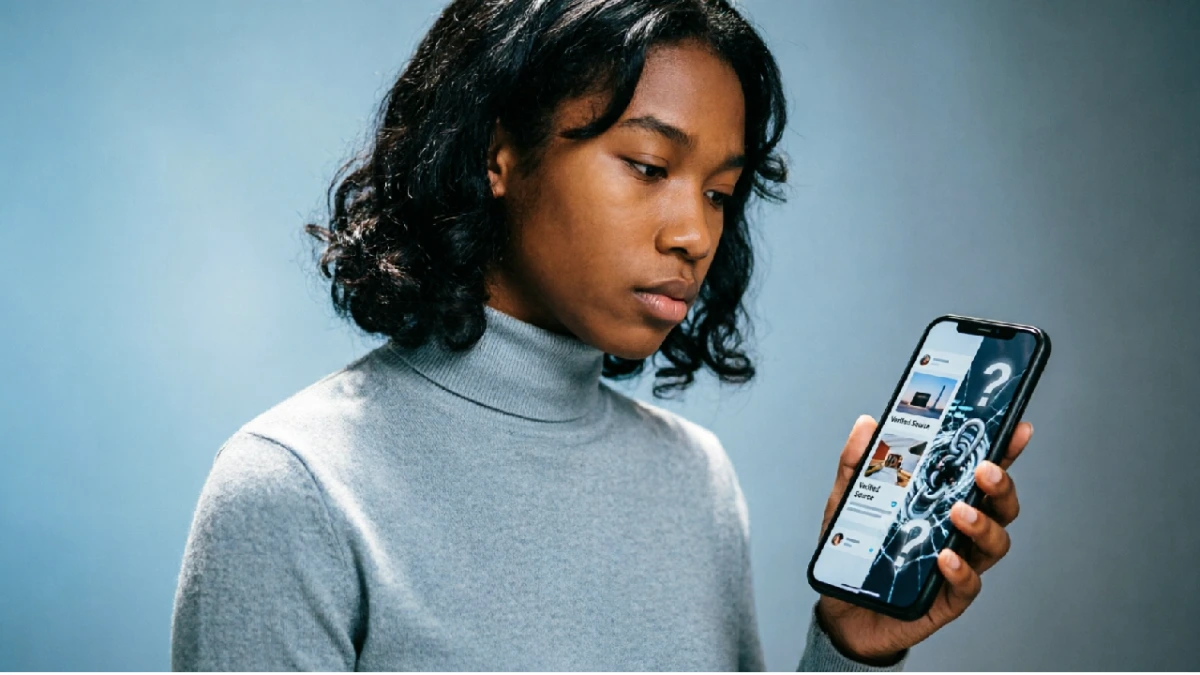
Misinformation on Social Media. Misinformation is a pervasive issue in today’s digital landscape, and social media platforms are often at its epicenter. This article explores the intricate relationship between social media and the dissemination of news, drawing insights from the extensive research conducted by the Pew Research Center. We will delve into how these platforms have transformed news consumption patterns and their role in the spread of misinformation across various news sites.
The Role of Social Media Sites in News Consumption
Social media sites have profoundly reshaped the way individuals access and engage with information, fundamentally altering traditional news consumption habits and impacting the information landscape for the American public. What started as platforms for social networking has rapidly evolved, with many social media users now regularly getting their news directly from these digital spaces. This shift has significant implications for how news outlets and news media organizations operate, as they increasingly contend with a landscape where their content is often encountered not through their dedicated platforms, but across social media feeds. The immediacy and accessibility of these platforms have made them an indispensable source of news for a vast segment of the population, particularly among the growing number of social media users.
How Social Media Sites Function as News Sources
Social media sites function as multifaceted news sources, offering users a diverse array of content that ranges from professional journalism to user-generated posts. Many individuals now use social media to get news, relying on a mix of established news organizations, independent journalists, and even influencers who curate and share information on news websites. The algorithms that govern these social platforms often incentivize engagement, meaning content that sparks reactions or discussions is more likely to be seen. This mechanism can sometimes prioritize sensational or partisan information, potentially making social media a fertile ground for the spread of misinformation and fake news, challenging the principles of traditional journalism.
The Impact of Social Media Use on News Consumption Patterns
The pervasive use of social media has significantly altered news consumption patterns, creating a more fragmented and personalized experience for news consumers. Individuals increasingly get their news from social media, often encountering headlines and articles within their personalized feeds rather than actively seeking out news from traditional sources, reflecting changing patterns in social media usage. This shift means that social media can shape not only what news people see but also how they interpret it, as algorithms often prioritize content that aligns with users’ past interactions or expressed interests. While convenient, this pattern can lead to echo chambers and makes it harder for individuals to discern accurate information, highlighting the growing need for media literacy.
Trends in Social Media Use for News During the Pandemic
The COVID-19 pandemic significantly accelerated trends in social media usage for news, as individuals flocked to digital platforms to stay informed about rapidly unfolding events. During this unprecedented period, many social media users regularly got their news from social media, turning to platforms like TikTok, Facebook, and Twitter for real-time updates, public health information, and community discussions. While social media served as a vital source of news for many, it also became a hotbed for misinformation surrounding the virus, treatments, and public health measures, impacting the information available to the American public. This surge in social media news during a critical time underscored both the utility and the inherent challenges of relying on social media platforms for accurate and timely information.
Misinformation on Social Media
Defining Misinformation in the Context of Social Media
Misinformation, in the context of social media, refers to information that is false, inaccurate, or misleading, regardless of intent to deceive. Unlike “disinformation,” which implies a deliberate attempt to mislead, misinformation can be spread innocently by social media users who genuinely believe the information to be true. The rise of social media platforms has amplified the challenge of distinguishing factual content from erroneous claims, making it harder for news consumers to discern accurate information. The Pew Research Center has extensively documented how this kind of content permeates various social media sites, challenging the integrity of news consumption and the principles of traditional journalism.
Common Types of Misinformation Spread on Social Media
Social media has become a prominent arena for various forms of misinformation. One common type is fabricated content, often referred to as fake news, which is entirely false and designed to deceive, posing challenges for those using social media for news. Another prevalent form is misleading content, where genuine information is presented out of context or manipulated to create a false narrative. Imposter content, which mimics legitimate news outlets or sources on social media to spread false information, is also widespread, complicating the landscape for individuals getting news on social media. Conspiracy theories, often amplified by influencers and partisan groups, also regularly get significant traction across social media. The sheer volume and speed at which social media users share information make these types of misinformation particularly challenging to combat, impacting how people get their news from social media.
Case Studies: Misinformation Examples on Social Media
Numerous case studies highlight the pervasive issue of misinformation on social media platforms, particularly in the context of getting news on social media. For instance, during the 2020 US presidential election, various social media sites, including Facebook and Twitter, were rife with false claims about election fraud, significantly shaping public perception and trust. Another notable example involved the spread of unproven COVID-19 remedies and anti-vaccine narratives, where social media users, often incentivized by engagement algorithms, shared health misinformation that directly contradicted scientific consensus. The Pew Research Center has meticulously tracked these trends, demonstrating how such misinformation, amplified by social media use, can have real-world consequences, challenging the role of news media in society and underscoring the critical need for enhanced media literacy among news consumers who increasingly get news from social media.
How Social Media Can Shape Public Perception
The Influence of Social Media on Public Opinion
Social media can shape public opinion in profound ways, serving as a powerful, albeit sometimes problematic, source of news for a vast number of social media users. The sheer volume of information shared across social media, combined with the personalized nature of many social platforms, means that social media users are constantly exposed to narratives that can sway their perspectives. Unlike traditional news media, where editorial gatekeepers historically curated content, the decentralized nature of social media sites allows for a more direct, and often unfiltered, flow of information. This enables influencers, partisan groups, and even individuals to disseminate viewpoints that can significantly impact how people get their news from social media and, consequently, their understanding of events. The Pew Research Center has consistently highlighted this dynamic, showing how the use of social media has fundamentally altered the landscape of public discourse.
Mechanisms Through Which Social Media Shapes Perception
Several mechanisms contribute to how social media can shape perception, particularly through the number of social media users engaging with misleading content. Firstly, the algorithms employed by social media platforms are designed to maximize engagement, often by presenting users with content that aligns with their existing beliefs or past interactions, thus influencing how they are getting news on social media. This creates echo chambers, where news consumers are primarily exposed to information that reinforces their current views, making it harder to encounter diverse perspectives or accurate information on platforms such as social media. Secondly, the rapid dissemination of viral content, regardless of its veracity, means that misinformation or sensationalized stories can quickly reach a massive audience, often before fact-checking by news outlets can occur. Thirdly, the rise of influencers, particularly on platforms like TikTok, means that individuals with large followings can become significant sources of news, often sharing opinions that are then amplified by their audience, influencing public opinion and making it challenging for social media users to discern reliable information.
Combating Misinformation to Improve Public Understanding
Combating misinformation is crucial for improving public understanding and ensuring that news consumers get the news from credible sources. One key strategy involves fostering greater media literacy among social media users, empowering them to critically evaluate the information they encounter on social media sites. Educational initiatives that teach individuals how to identify fake news and misleading content are vital, especially as social media continues to play a significant role in getting news on social media. Additionally, social media platforms themselves have a responsibility to implement more robust mechanisms for flagging and removing misinformation, though this remains a complex challenge given the scale of content. Collaborations between news media organizations, researchers like the Pew Research Center, and social platforms are essential to develop effective strategies for identifying and debunking false narratives, thereby ensuring that the use of social media contributes positively to informed public discourse rather than undermining it.